Cold room magic keeps your food fresh longer

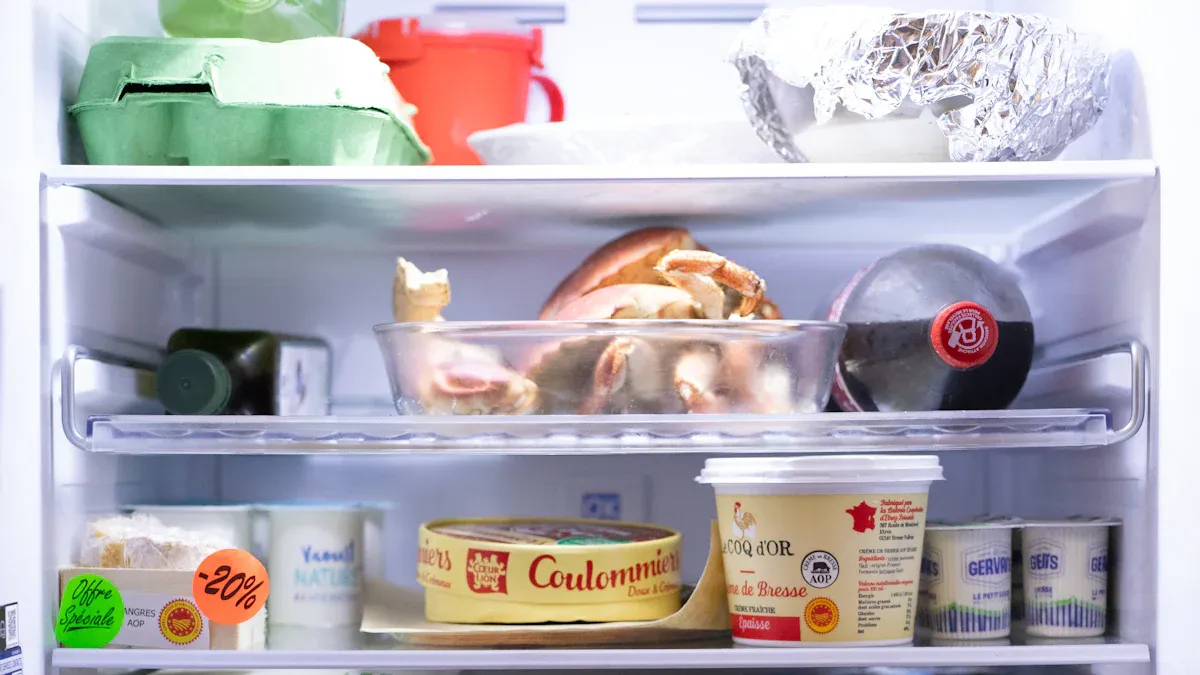
You want your food to stay fresh and safe as long as possible. Cold rooms make this possible by keeping items at just the right low temperature. People have used cool spaces for food storage since ancient times, from underground cellars to today’s advanced cold rooms. You get more than just a place to store things—you unlock the secret to longer-lasting freshness.
Key Takeaways
Cold rooms keep food fresh. They do this by keeping the right temperature and humidity. This stops food from spoiling and keeps bacteria from growing.
Cold rooms help you waste less food. You can store more food and not worry about it going bad.
Cold rooms keep food tasting good and healthy. This means you get to eat great meals every time.
If you organize your cold room for airflow, it works better. Doing regular check-ups also helps it last longer.
Cold rooms are good for businesses and families. They give you more space for lots of groceries and help you save money.
How cold rooms work
Temperature control in cold rooms
You need to keep food at the right temperature. Cold rooms use smart systems to do this for every kind of food. Look at this table to see how cold rooms help different foods:
Type of Room | Temperature Range | Best For |
|---|---|---|
Chilled Rooms | +2°C to +8°C | Fresh produce, dairy, beverages, cooked foods |
Frozen Rooms | -18°C to -25°C | Meat, seafood, ice cream, long-term storage |
You can choose the best temperature for your food. This stops bacteria from growing and keeps food fresh. Cold rooms let you change the temperature for each food, so you don’t have to worry about food going bad.
Humidity and air circulation
Humidity is important for keeping food fresh. Cold rooms use special tools to control humidity and move air around. Here’s why humidity matters:
Humidity control helps fruits and vegetables stay fresh.
High humidity stops food from drying out or losing weight.
Cold rooms move air so every item gets the right temperature and humidity. This keeps food from spoiling and helps it last longer.
Controlled atmosphere storage
You can keep food fresh even longer with controlled atmosphere storage. This uses special gases to slow down ripening. For example, apples stored with less oxygen and some carbon dioxide, plus low temperature, lose ethylene gas. This slows ripening and keeps apples crisp for months.
Cold rooms are much better than old cellars. Now, you get exact temperature, perfect humidity, and good air systems. You can trust cold rooms to keep your food fresh and safe better than old ways.
Benefits of cold rooms for food
Preventing spoilage and bacteria
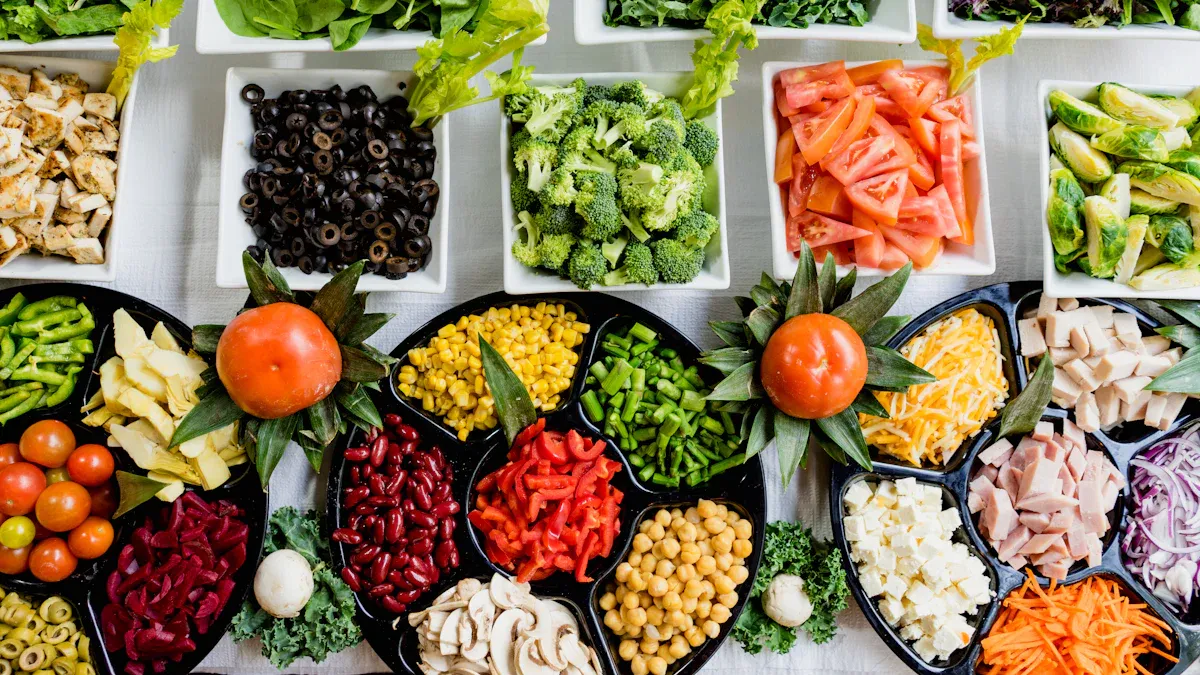
You want your food to last as long as possible. Cold rooms give you the power to prevent spoilage and keep bacteria away. When you store food at the right temperature, you stop harmful bacteria from growing. This means you can prevent spoilage before it even starts. Cold rooms use advanced systems to keep the air clean and the temperature steady. You do not have to worry about sudden changes that can ruin your food. Many restaurants and supermarkets trust cold rooms because they know these systems protect their large inventories. You can count on cold rooms to keep your food safe and fresh.
Tip: Always set your cold room to the correct temperature for each type of food. This simple step helps you prevent spoilage and keeps bacteria under control.
Reducing food waste
You work hard to buy or prepare your food. You do not want to throw it away because of spoilage. Cold rooms help you reduce food waste by keeping everything fresh for longer. When you use cold rooms, you can store more food without worrying about it going bad. This is important for both families and businesses. Supermarkets and restaurants use cold rooms to manage large amounts of food. They save money and resources by reducing waste. You can do the same at home. With less food thrown out, you help the environment and your wallet.
Store bulk items in cold rooms to keep them fresh.
Rotate your stock so older food gets used first.
Check the temperature often to make sure your cold room works well.
Preserving taste and nutrition
You want your food to taste great and give you the best nutritional value. Cold rooms help you keep both taste and nutritional quality high. When you store food in cold rooms, you lock in flavor and nutrients. Fresh fruits and vegetables keep their crispness and color. Dairy and meat products stay safe and delicious. Cold rooms slow down the loss of vitamins and minerals, so you get more nutritional benefits from every meal. Many food businesses use cold rooms because they know customers expect top quality. You can enjoy the same results at home.
Note: Cold rooms protect the nutritional value of your food by stopping spoilage and keeping everything at its best.
You deserve food that stays fresh, safe, and full of nutrition. Cold rooms give you the tools to prevent spoilage, reduce waste, and keep the quality high. Make the smart choice and use cold rooms for all your storage needs.
Cold rooms vs. other storage methods
Cold rooms vs. refrigerators
You want to keep perishable goods safe and fresh. A regular refrigerator cannot handle large amounts of perishable goods. Cold rooms give you more space and better control. You can store boxes of fruits, vegetables, and dairy without crowding. Cold rooms let you set the perfect temperature for each type of perishable goods. This means you protect your food from spoilage and waste. You get peace of mind because cold rooms keep everything organized and easy to find.
Tip: Use a cold room if you need to store more than your refrigerator can handle. You will see the difference in freshness and quality.
Cold rooms vs. pantries
A pantry works for dry goods, but it cannot protect perishable goods. You need cold rooms to keep perishable goods safe. Pantries do not control temperature or humidity. Perishable goods spoil quickly in a pantry. Cold rooms use advanced systems to keep perishable goods at the right temperature. You can trust cold rooms to keep your food safe for longer. You save money because you throw away less food.
Storage Method | Best For | Not Good For |
|---|---|---|
Pantry | Dry goods, snacks | Perishable goods |
Cold rooms | Perishable goods | Dry goods |
Best for bulk and sensitive food
You want to store bulk and sensitive perishable goods. Cold rooms give you the best solution. You can keep large amounts of perishable goods fresh and safe. Cold rooms protect sensitive items like berries, dairy, and meat. You do not have to worry about spoilage or waste. Cold rooms help you save time and money. You get the best results for your business or home.
Note: Choose a cold room when you need to store bulk or sensitive perishable goods. You will keep your food fresher, longer.
Who needs cold storage?
Restaurants and food businesses
You want your restaurant to serve great meals every day. Cold rooms help you keep ingredients fresh and safe. You can store lots of meat and seafood without worry. Cold rooms let you organize supplies, so you know what you have. You can bring perishable goods from suppliers and keep them cold until needed. This helps you waste less and save money. Your customers will notice the better taste in every dish.
Tip: Walk-in refrigeration units help you store and find ingredients fast. You can keep your kitchen working well and avoid last-minute problems.
Supermarkets and large inventories
You run a supermarket or manage a big inventory. Cold rooms help you keep fruits, vegetables, dairy, and other perishables fresh. You can bring perishable goods from farms or suppliers and store them safely. Supermarkets use smart systems to track inventory and predict demand. They put micro-fulfillment centers near cities to help main warehouses. You can offer flexible pick-up times for customers and keep cold rooms working with regular checks. Central temperature monitoring helps you stop spoilage and keep food safe.
Real-time inventory updates show what is in stock.
Preventive maintenance keeps cold rooms working well.
Route optimization helps deliver perishable items safely.
You can trust cold rooms to protect your investment and keep shelves full of fresh choices.
Home use for families
You want your family to eat fresh, healthy meals every day. Cold rooms give you extra space for bulk groceries, leftovers, and seasonal produce. You can keep dairy, meat, seafood, and garden harvests fresh longer. Cold rooms help you save money by wasting less food. You can plan meals ahead and always have what you need. Your family will enjoy the taste and quality of food from a cold room.
Note: Cold rooms are not just for businesses. You can use them at home to make life easier and meals tastier.
Tips for cold room efficiency
Organizing for airflow
You want your cold room to work well. Start by putting shelves and products in order. Make sure air can move around easily. Leave space between items. Do not block any vents or fans. This helps cooling systems keep everything cold. Use racks and do not stack boxes too high. This stops hot spots and keeps food safe.
Description | Efficiency Impact | |
|---|---|---|
Air-Based Cooling | Uses airflow management and CRAC/CRAH units. | Handles typical cooling needs. |
In-row and Overhead Cooling | Puts cooling units near heat sources. | Improves cooling for dense storage. |
Rear-Door Heat Exchangers (RDHx) | Adds cooling at the rack level. | Reduces thermal burden. |
Liquid Cooling | Uses water or coolants for higher heat transfer. | Bridges air and high-density cooling. |
Tip: Good airflow and humidity control keep cold rooms steady and efficient.
Regular cleaning and maintenance
You protect your cold room when you keep it clean. Clean condenser coils every month. Check door seals and refrigerant levels often. Test defrost controls and look at electrical connections. These steps help cooling systems last longer. You avoid expensive repairs.
Maintenance Task | Impact on Equipment Longevity |
|---|---|
Clean condenser coils monthly | Maintains efficiency |
Inspect door seals | Reduces wear and tear |
Check refrigerant levels | Prevents breakdowns |
Test defrost controls | Ensures optimal operation |
Inspect electrical connections | Prevents costly repairs |
If you skip maintenance, efficiency drops by up to 15%. Regular care keeps your cold room working well.
Energy-efficient cold storage
You can save money and help the earth with energy-efficient cold storage. Upgrade to better compressors and smart control systems. These tools change cooling based on what is needed. Use eco-friendly refrigerants to lower harm to the environment.
Feature | Description |
|---|---|
Use less energy than old models. | |
Smart Control Systems | Change cooling for demand, saving energy and money. |
Eco-Friendly Refrigerants | Lower harm to the environment and boost efficiency. |
Energy-efficient cold rooms can cut your energy costs by 22% each year.
Note: Smart upgrades and regular checks make your cold room greener and save you money.
Cold rooms give you the power to keep food fresh and safe. You gain more than storage—you protect quality and reduce waste.
Cold rooms extend shelf life for perishable goods.
You cut food waste and improve inventory management.
Businesses meet safety standards and keep products top quality.
Cold rooms help you run an efficient kitchen or business. You build trust with customers by delivering fresh, safe food every time. Explore cold room solutions today and see how much fresher your food can be! 🥦
FAQ
What is cold storage, and why do you need it?
You need cold storage to keep food fresh and safe. Cold storage uses low temperatures to slow down spoilage. You protect your investment and keep your family healthy. The food industry relies on cold storage to deliver quality products every day.
How does cold storage help the food industry?
Cold storage gives the food industry a way to store large amounts of food safely. You can keep products fresh for longer. Cold storage supports the cold chain, which moves food from farms to stores. You help reduce waste and improve shelf life.
Can cold storage extend the shelf life of your food?
Yes! Cold storage extends shelf life by keeping food at the right temperature. You slow down bacteria and mold. You get more time to use your food. The food industry trusts cold storage to keep products fresh until they reach you.
What is the cold chain, and how does it work with cold storage?
The cold chain is a system that keeps food cold from the farm to your table. Cold storage is a key part of the cold chain. You keep food safe at every step. The food industry uses the cold chain to deliver fresh products everywhere.
How do you keep your cold storage efficient?
You keep cold storage efficient by organizing shelves, checking temperatures, and cleaning often. You save energy and money. The food industry uses smart systems to monitor cold storage. You protect shelf life and keep the cold chain strong.
Tip: Always check your cold storage temperature. You keep food safe and extend shelf life.
See Also
The Importance of Cold Rooms for Keeping Products Fresh
Cold Rooms: Safeguarding Food Against Contamination Risks
Revolutionizing Storage Solutions with Cold Room Technology
Overcoming Storage Issues with Restaurant Cold Room Solutions