How to Choose the Best Cold Storage Equipment for Slaughterhouses
You have important choices when picking slaughter cold storage equipment. If you pick the wrong system, food safety can be at risk. You might also fail compliance checks. The cold storage you choose affects how well you keep meat safe. It also helps you meet health rules. Make sure your equipment fits your real needs. Always follow the rules to keep your work safe.
Key Takeaways
Think about how much meat you process to pick the right cold storage size and type. Look at how much and what kind of meat you have.
Pick chillers if you need to store meat for a short time. Use freezers if you need to keep meat for a long time. Backup systems are very important for safety.
Make sure the cold storage stays at the right temperature. Check the temperature often to stop spoilage and keep food safe.
Choose good insulation materials like PU or PIR panels. These materials help save energy and keep meat safe.
Learn about food safety rules in your area and other countries. Keep good records to follow the rules and get ready for checks.
Assessing Slaughter Cold Storage Needs
Meat Volume and Types
You need to know how much meat you process each day. The amount of meat tells you how big your cold rooms should be. You may work with beef, pork, or poultry. Each one needs a different temperature. Beef often needs a colder freezer than poultry. Think about what kinds of meat you store, like whole carcasses or cut pieces. This helps you pick the right refrigeration units for your butchery or abattoir.
Storage Duration
You must decide how long you will keep the meat. If you only store meat for a few days, use a chiller. A chiller keeps meat fresh for a short time. If you need to keep meat for weeks or months, use a freezer. A freezer stops meat from spoiling. You also need backup systems to keep meat safe. This helps you follow butchery industry rules. Good planning stops waste and keeps your abattoir working well.
Workflow and Space
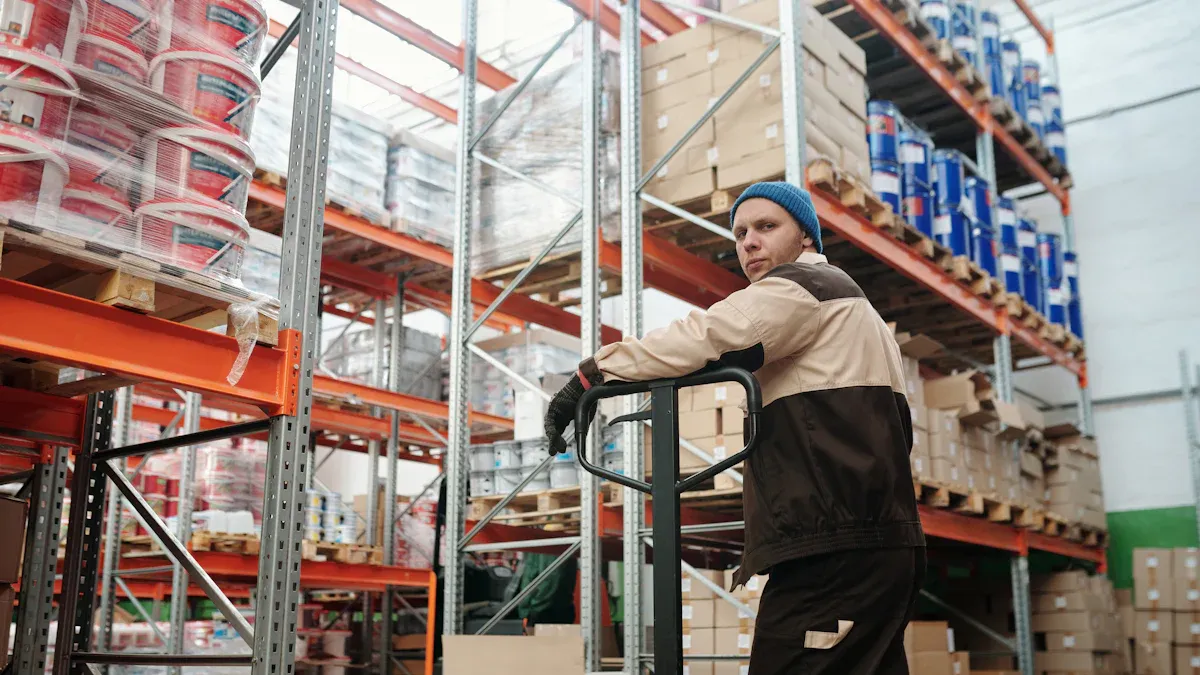
Look at how meat moves from slaughter to storage. Cold rooms should fit into your work steps. Put them close to where you process meat. This saves time and energy. When you plan your building, connect cold storage with transport. This makes your work faster and keeps meat cold. Use the table below to see the best ways to set up your cold storage equipment:
Best Practice | Description |
|---|---|
Seamless Integration | Connect cold rooms and transport as one system, not separate steps. |
Energy Management | Use energy-saving options like solar backup to lower costs and boost reliability. |
Quality Assurance | Meet certification rules and keep records for traceability and market access. |
Check the size of your space. Make sure freezers and cold rooms do not block walkways. A good layout helps your team work faster and safer in the abattoir.
Freezer and Chiller Rooms Features
Temperature Control and Range
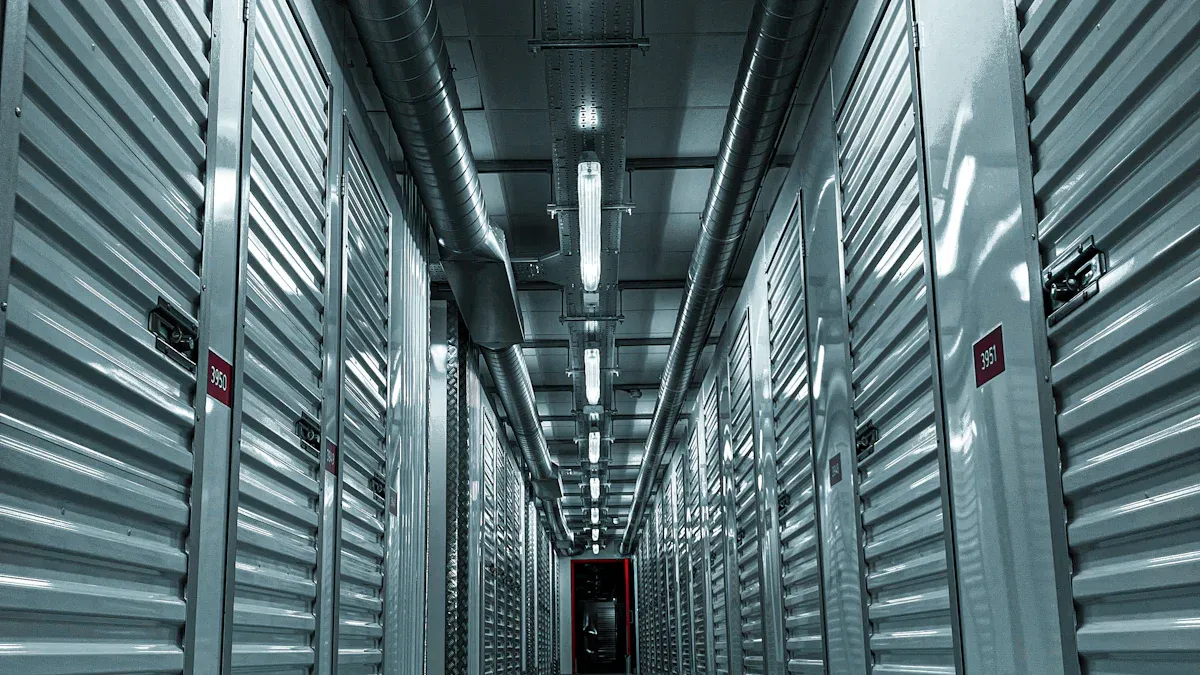
You need to keep meat cold to stop bacteria. Freezer and chiller rooms must control temperature well. A freezer keeps meat colder than 0°F. A chiller keeps it between 32°F and 39°F. You should check the temperature many times each day. Digital controls help you set the right temperature. Blast freezer rooms cool meat fast after slaughter. This keeps the meat good and follows butchery industry rules. Good temperature control keeps your abattoir safe and meat fresh.
Insulation and Panel Materials (PU/PIR)
Insulation is very important for cold rooms. You need panels with a high R-value, at least 20. Polyurethane (PU) and polyisocyanurate (PIR) panels work best. These panels keep cold air in and stop heat from coming in. PU panels give strong insulation and last a long time. PIR panels are better at stopping fire and keeping water out. Pick panels that fit your abattoir’s needs. Good insulation saves energy and helps your refrigeration units work well.
Tip: Pick PU or PIR panels for your cold storage. These panels save money and keep meat safe.
Fire and Moisture Resistance
You need to keep freezer and chiller rooms safe from fire and water. PIR panels slow down fire and give more safety. PU panels help too, but PIR is even better. Water can hurt insulation and cause mold. Pick panels with sealed edges and water-resistant covers. This keeps your cold rooms dry and safe. Fire and water resistance help you follow butchery industry rules.
Custom Sizes and Thickness
Every abattoir has a different size and shape. You need freezer and chiller rooms that fit your space. Custom sizes help you use all your building. You can pick how thick the panels are for colder rooms. Thicker panels keep cold air in better. Custom cold rooms make your work easier and safer. You can move meat fast from slaughter to storage. This helps your butchery work well.
Energy Efficiency and Solar Options
Energy costs can be high for cold storage. You need efficient refrigeration to save money. Use solar panels to power your cold rooms. Solar energy lowers bills and helps if the power goes out. You can add batteries for backup power. Night-time cooling uses cheaper power and builds up cold for busy times. Variable speed drives change compressor speed to save energy. Heat recovery systems use waste heat for hot water or heating. Full cold rooms keep cold better than empty ones.
Technology/Strategy | Description |
|---|---|
Night-time cooling | Run compressors more at night to use cheaper power and build cold for the day. |
Thermal mass optimisation | Keep cold rooms full to hold cold better and plan work for best results. |
Variable speed drives | Use compressors that change speed to save energy. |
Heat recovery | Use waste heat from refrigeration for hot water or heating in your abattoir. |
Solar and battery systems | Use solar panels and batteries to save money and stop power cuts. |
You should pick cold storage solutions with these features. Efficient refrigeration helps you follow industry rules and saves money. Solar options and smart controls make your abattoir work better.
Cold Storage Compliance and Certification
Food Safety Standards
You have to follow food safety rules in your abattoir. These rules keep meat safe from bacteria and other dangers. The butchery industry uses systems like HACCP. This system helps you find and control risks. You must keep your refrigeration units clean and working well. Check the temperature often. Use digital logs to track each step. Good records show you care about safety and quality.
Tip: Always teach your team how to handle and clean meat safely. This keeps your meat safe and your business strong.
Local and International Regulations
Each country has its own rules for slaughter cold storage. You need to know the laws where you work. Some places use international standards like ISO 22000 or USDA rules. These standards tell you how to build, run, and check your refrigeration. You might need special permits for your butchery. Local health departments can visit your site. They check if your abattoir follows all the rules. If you sell meat to other countries, you must follow their rules too.
Regulation Type | Example Standard | Who Checks? |
|---|---|---|
Local | Health Department | Local Inspectors |
International | ISO 22000, USDA | Export Authorities |
Documentation and Inspection
You must keep clear records for every part of your refrigeration process. Write down when you clean, check, or fix your equipment. Keep temperature logs and inspection reports safe. When inspectors visit, you can show these records. This proves you follow the rules. Good records help you find problems fast. You can fix issues before they hurt your work or meat quality. Always be ready for surprise checks. This keeps your abattoir running without trouble.
Note: Digital systems make it easy to track and store your records. They help you pass inspections and do your job better.
Cost and Supplier Evaluation
Initial and Operating Costs
You need to think about two costs. One is the price to buy cold rooms. The other is the cost to use them every day. Buying includes the freezer, chiller, and blast freezer rooms. Using them means paying for power, repairs, and cleaning. High-efficiency refrigeration can help lower your bills. Picking the right equipment stops meat from going bad. This saves you money. Ask suppliers for a full price list. This helps you plan your budget for your abattoir or butchery.
Maintenance and Service
You must keep your refrigeration units working well. Regular checks help stop problems and keep meat safe. Good service means your freezer and cold rooms work every day. Ask if the supplier gives fast help for repairs. Quick service keeps your abattoir running and stops spoilage. Clean equipment also helps you follow butchery industry rules.
Warranty and Support
Check the warranty for each freezer and chiller. A strong warranty means the supplier trusts their equipment. Good support helps you fix problems quickly. You need a supplier who answers questions and gives clear advice. This support keeps your cold rooms safe and your abattoir working well.
Tip: Choose suppliers with long warranties and easy-to-reach support teams.
Comparing Equipment and Suppliers
Compare different suppliers before you buy anything. Make a table to check features, price, and service. Look for high-efficiency refrigeration and options for sustainability. Ask about custom sizes for your slaughterhouse. Check if the supplier knows the butchery industry. Use the table below to help you compare:
Supplier Name | Price | Warranty | Service | Efficiency | Sustainability |
|---|---|---|---|---|---|
Supplier A | $$ | 5 years | 24/7 | High | Yes |
Supplier B | $ | 3 years | Office | Medium | No |
Pick the supplier who fits your needs and helps your abattoir grow.
Maintaining Cold Chain Integrity
Safety Features
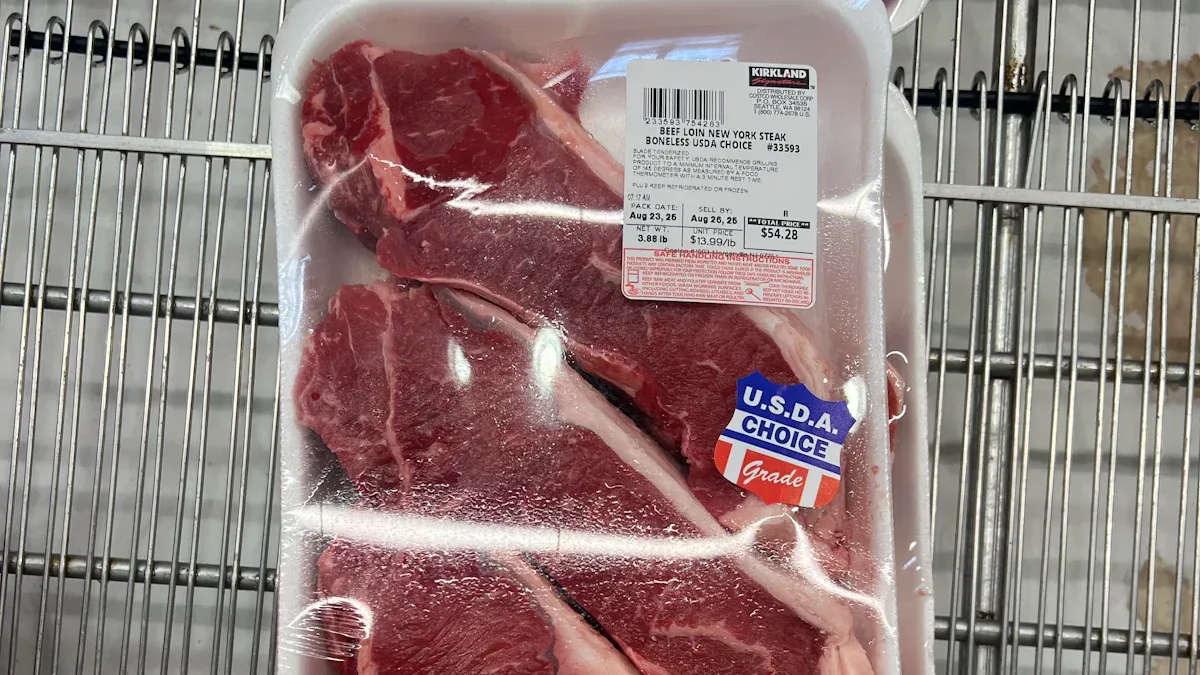
You need to keep cold rooms safe for meat and workers. Put alarms in freezers and chillers to warn if it gets too warm. Use door locks that open from inside to stop people getting trapped. Add emergency lights so workers can see if the power goes out. Place temperature sensors in every freezer and chiller to check if they work right. Use backup power for your refrigeration units to keep them running during outages. Good safety features help you follow butchery industry rules and keep your business strong.
Future-Proofing Investments
You want your abattoir to grow with the butchery industry. Pick cold rooms that let you add more space or new technology later. Choose blast freezer rooms if you plan to process more meat soon. Look for energy efficient solutions to lower bills and help the planet. Use solar panels to support sustainability and keep your abattoir running during blackouts. Select refrigeration that supports maximising energy efficiency. This helps you save money and meet new rules. Plan for changes so your investment lasts many years.
Tip: Ask suppliers about upgrades and new features before you buy. This helps you stay ready for the future.
Common Mistakes to Avoid
People sometimes make mistakes when setting up cold rooms. Some buy the wrong size freezer or forget to check efficiency. Others do not clean their refrigeration units often enough. This can cause breakdowns and spoil meat. Always check the temperature in your cold rooms. Do not block airflow in your freezer or chiller. Poor planning can lead to reducing spoilage and waste. Train your team to use equipment safely. Avoid these mistakes to keep your butchery running well and protect your investment.
You can find the right cold storage equipment for your butchery by doing these things:
Look at what you need and how much space you have.
Choose equipment that has good technical features.
Make sure you follow all the rules for the butchery industry.
Keep records and think about what you will need later.
Ask trusted suppliers for advice and learn about new standards. This helps your butchery stay safe and do well.
FAQ
What temperature should you set for meat storage?
You should keep chillers at 32°F to 39°F for short-term storage. Freezers should stay at 0°F or below. Use digital controls to check temperatures often.
How often should you clean cold storage rooms?
You should clean cold rooms every day. Deep cleaning should happen every week. This keeps meat safe and helps you pass inspections.
Why do you need backup power for cold storage?
Backup power keeps your meat safe during outages. It stops temperature changes that can spoil meat. Generators or battery systems work best.
How do you choose the right panel thickness?
Pick thicker panels for colder rooms. Thicker panels keep cold air in and save energy. Ask your supplier for advice based on your needs.
See Also
Comprehending Cold Rooms for Storing Meat Safely
Steps to Create a Functional Cold Room for Slaughter
Choosing the Ideal Walk-in Cold Storage Solution
Comparing Container Cold Rooms and Conventional Storage Options