How to Select a Walk-In Cooler for Maximum Energy Efficiency

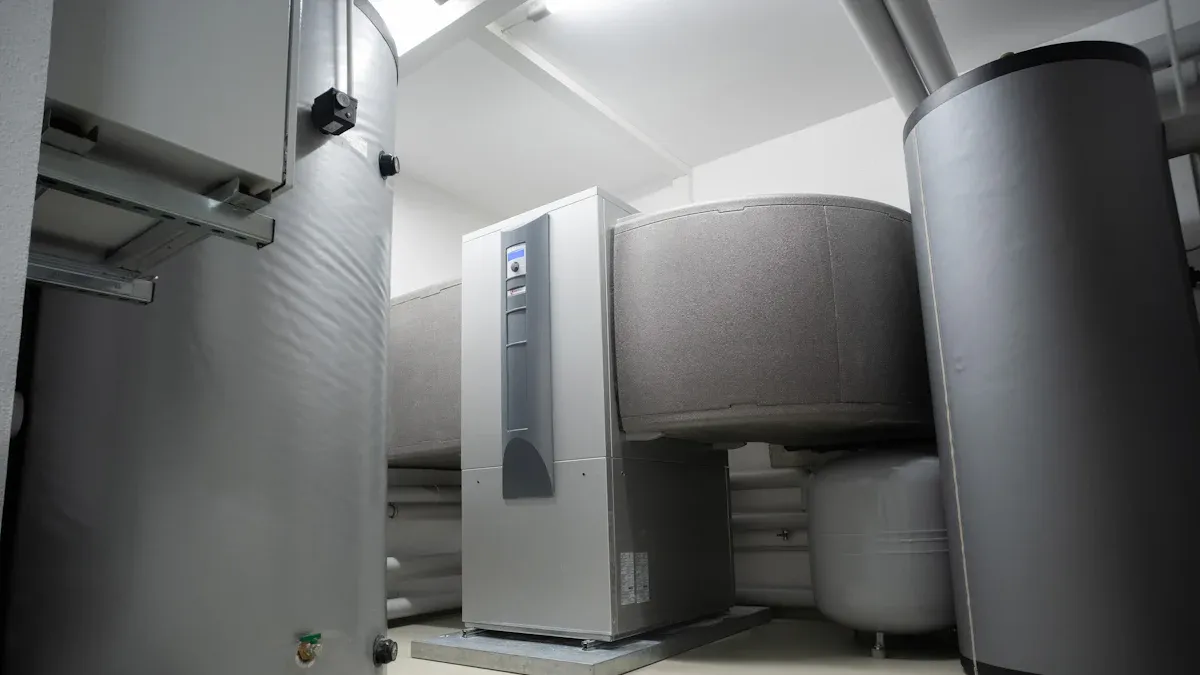
You can get the best energy efficiency in a walk-in cooler by picking the right insulation and refrigeration system. Energy efficiency helps your business save money on electricity bills. It also keeps food fresh and safe. Many restaurants need a good walk-in to protect their food. If you have a food business, you know energy efficiency is more than saving money. Restaurants also need energy efficiency to follow safety rules and cut down on waste.
Key Takeaways
Pick the right size for your walk-in cooler. Measure your space first. Think about busy days so you do not waste energy.
Buy good insulation for your cooler. Thick panels with special EPS foam keep cold air inside. This helps lower energy bills.
Pick doors that have strong seals. Good seals stop cold air from leaking out. This saves energy and keeps food fresh.
Regular maintenance is very important. Check the temperature every day. Clean the surfaces once a week. This helps your cooler work well.
Teach staff how to use the cooler right. Show them to close doors fast. Tell them not to block air vents. This helps save energy.
Assessing Walk-In Cooler Needs
Sizing and Space Planning
First, measure the space you have for your walk-in. Think about how much food you want to store. If your walk-in is too small, it will not hold everything. If it is too big, it will waste energy. Plan for your busiest days and add extra space. Make sure the walk-in fits in your kitchen or storage area. Leave space so doors open all the way. Staff need room to move around safely. Good planning helps you avoid spending more money later.
Tip: Keep your walk-in away from ovens and fryers. This helps the cooler stay cold without working too hard.
Storage and Usage Patterns
Check how often you open the walk-in. Also, look at how you put food on the shelves. Opening the door a lot lets warm air inside. This makes the cooler use more energy. Put shelves so air can move easily. Do not block the evaporator unit. This keeps the temperature even and stops warm spots. Some common mistakes hurt energy efficiency, like:
Not making the walk-in level, so doors do not close right and cooling is worse.
Bad ventilation, which makes the compressor work harder.
Poor airflow, which causes warm spots inside.
Using the wrong electrical setup, which can cause problems.
Door seals put on wrong, so cold air leaks out.
Not draining water right, which can cause water issues.
Putting the walk-in near hot equipment, which makes it harder to cool.
Temperature Control Requirements
Good temperature control keeps food safe and fresh. Pick a walk-in cooler that fits what you store. Most commercial coolers work best from 34°F to 40°F. Some units can go as low as 0°F if you need both cooling and freezing. Use this table to see the best temperature for your products:
Product Type | Recommended Temperature Range |
|---|---|
Standard Coolers | 34°F to 40°F (1°C–4°C) |
Dual-Purpose Units | Down to 0°F (-18°C) |
Choosing the right walk-in helps you follow food safety rules. It also saves you money on energy bills. Careful planning gives you the best cold storage and keeps your food safe.
Key Features for Energy Efficiency
Insulation and Panel Quality
Strong insulation keeps your walk-in cooler cold. It also helps save energy. Good insulation stops heat from coming in. This means your cooler does not work as hard. Many energy-efficient coolers use advanced EPS core technology. These panels can be 2 inches or 4 inches thick. Thicker panels help stop heat from escaping. They also prevent thermal bridging. Some panels have grooves to keep cold air inside. High-quality insulation lowers your energy bills. It also keeps your food safe and fresh longer. Standard panels do not work as well. They let in more heat. This makes your cooler use more power. Over time, this can cost you a lot of money.
Tip: Pick panels with advanced EPS foam for the best energy savings.
Door Types and Seals
The door is a very important part of your walk-in. Warm air gets in every time you open the door. This makes your cooler use more energy. You should choose doors with strong seals. Good seals keep cold air from leaking out. Some coolers use vacuum glass or double-glazed glass doors. These doors help stop cold air from escaping. They can save up to 50% more energy than regular doors. You also want doors that close tightly every time. If the door does not close right, your cooler wastes energy.
Feature | Description |
|---|---|
High Energy Efficiency | Saves up to 50% more energy than traditional freezers, reducing operating costs and carbon emissions. |
Minimal Heat Loss | Vacuum glass or high-performance double-glazed glass structure greatly reduces cold air loss. |
Note: Check your door seals often. Replace them if they look worn or broken.
Refrigeration System Selection
The refrigeration system is the heart of your walk-in cooler. You need to pick the right system for your space. There are many types of refrigeration systems. Some use air-cooled units. These are easy to take care of. Others use remote condensing units. These keep heat and noise away from your cooler. Split systems let you control different temperature zones. EcoNet-enabled units help you use less energy with smart controls. Enhanced demand defrost systems only run when needed. This saves energy and keeps your cooler working well.
System Type | Description | Energy Efficiency Benefits |
|---|---|---|
Use ambient air to cool refrigerant, low maintenance required. | Fewer components lead to reduced monitoring and maintenance costs. | |
Remote Condensing Units | Located away from the evaporator to minimize heat and noise inside. | Ideal for quieter workspaces while maintaining efficiency. |
Split Systems | Separate condensing unit and evaporator for flexible installation. | Offers control over temperature zones in larger facilities. |
EcoNet-Enabled Units | Optimize cooling performance with precise control over energy use. | Reduces energy consumption and enhances operational efficiency. |
Enhanced Demand Defrost | Defrosts only when necessary, avoiding unnecessary cycles. | Significant energy savings without compromising cooling integrity. |
Variable speed compressors help you save energy too. They change how hard they work based on cooling needs. This can save up to 31% more energy than regular compressors. You will pay less for energy and your cooler will last longer.
Application Type | Compressor Type | Energy Savings (%) | Notes |
|---|---|---|---|
Food service upright freezer | Variable-speed (VEH) | 31 | Replaced a standard fixed-speed compressor and fan with Embraco Sync controller. |
Food retail horizontal freezer | Variable-speed (FMFT) | 13 | Compared to optimized fixed-speed (EMC) under frequent door openings. |
Multideck display fridge | Two variable-speed compressors | 17 | Both compressors managed synchronously by Embraco Sync controller. |
Modular and Durable Design
You want your walk-in to last a long time. A modular design lets you add or move panels. This makes your cooler easy to change or fix. Durable materials help your walk-in stand up to heavy use. Strong panels and doors keep cold air in. They also keep warm air out. Make sure your walk-in meets safety standards. This keeps your food safe and your business follows health rules. When you pick a durable and modular walk-in, you protect your investment. You also save money over time.
Remember: A strong walk-in cooler with tight doors and the right system gives you the best energy savings and keeps your food safe.
Comparing Commercial Fridge and Freezer Options
Walk-In Cooler vs. Commercial Fridge Commercial Freezer
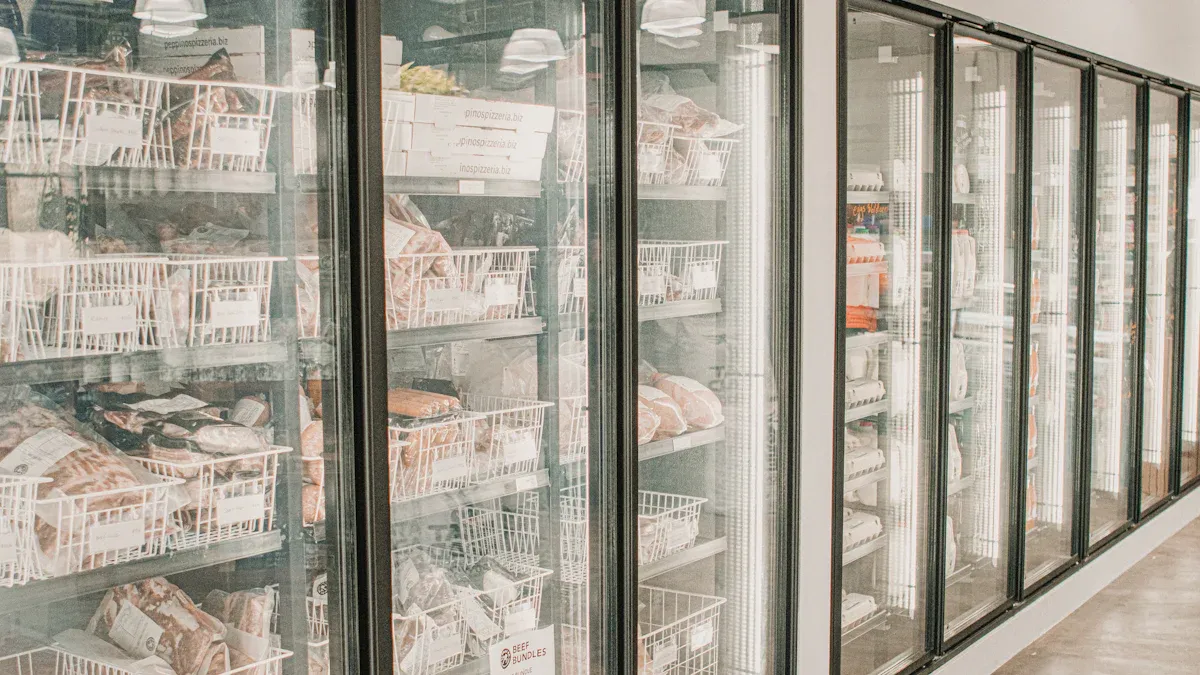
You have many choices when you need to keep food cold. A walk-in cooler gives you a lot of space. You can store large amounts of food or drinks. A commercial fridge commercial freezer works well for smaller spaces. You can use a commercial fridge commercial freezer in kitchens, stores, or cafes. If you need to freeze food, a dedicated commercial freezer keeps items at very low temperatures.
Here is a quick comparison:
Feature | Walk-In Cooler | Commercial Fridge Commercial Freezer |
|---|---|---|
Storage Space | Large | Small to Medium |
Flexibility | High | Medium |
Best For | Bulk storage | Quick access, smaller items |
Installation | Needs planning | Easy to set up |
Tip: Choose a walk-in if you need to store a lot of food. Pick a commercial fridge commercial freezer for easy access and smaller storage needs.
Energy Ratings and Certifications
You should always check the energy ratings before you buy. Look for ENERGY STAR labels on any commercial fridge commercial freezer. These labels show that the fridge uses less energy. Some fridges also have certifications from NSF or UL. These groups test fridges for safety and performance.
A fridge with a good energy rating saves you money. It also helps the environment. You can find the energy rating on the product label or in the manual. Compare the numbers to pick the right commercial fridge for your business.
Cost and Maintenance Considerations
You need to think about more than just the price. A commercial fridge commercial freezer may cost less at first. Over time, energy use and repairs add up. A walk-in costs more to install, but it can save money if you need lots of space.
Keep your fridge clean and check the seals often. Good maintenance helps your fridge last longer. You should also train your staff to use the fridge the right way. This keeps your food safe and your bills low.
Remember: The right choice depends on your space, your budget, and how much food you need to store.
Installation, Maintenance, and Ongoing Savings
Professional Installation Tips
You should always use a trained technician to install your walk-in cooler. A professional will make sure the floor is level and the panels fit tightly. This helps stop cold air from leaking out. Place the cooler away from heat sources like ovens or direct sunlight. Good placement keeps the cooler from working too hard. Make sure the electrical wiring meets safety codes. A proper setup protects your investment and helps your cooler run at top efficiency.
Tip: Ask your installer to check the door alignment. A door that closes tightly saves energy every day.
Maintenance Best Practices
You can keep your walk-in running well with simple daily and weekly tasks. Start by checking the temperature every day. This helps you spot problems early. Clean the inside and outside surfaces often. Pay special attention to door handles and gaskets. Dirt and grime can make seals weak. Look at the door gaskets for cracks or gaps. Even small leaks can waste energy. If you find a problem, fix it right away. These walk-in cooler energy efficiency tips help you save money and keep food safe.
Maintenance Checklist Table
Task | How Often | Why It Matters |
|---|---|---|
Daily | Catches issues early | |
Clean surfaces and gaskets | Weekly | Prevents grime and weak seals |
Inspect door gaskets | Weekly | Stops cold air leaks |
Staff Training and Energy-Saving Habits
You should teach your staff how to use the walk-in the right way. Show them how to close the door quickly and check for tight seals. Remind them not to block air vents or stack boxes too high. Good habits keep air moving and help the cooler stay cold. You can post simple rules near the door as a reminder. When everyone works together, you get better efficiency and lower bills.
Note: Small changes in daily habits can make a big difference in energy savings over time.
You can pick the best walk-in cooler by thinking about size, insulation, and the right refrigeration system. Try to find features that help save energy and money. Many energy-efficient walk-in coolers give you these good things:
Use up to 25% less energy than older coolers
Save money over time, even if the cooler costs more at first
Prices are lower now because more companies make them
Think about what your business needs. Talk to suppliers you trust. This helps you choose the best walk-in cooler for your business.
FAQ
What is the best temperature for a walk-in cooler?
You should keep your walk-in cooler between 34°F and 40°F. This range keeps food fresh and safe. Always check the temperature daily to avoid spoilage.
How often should you clean your walk-in cooler?
You should clean your walk-in cooler at least once a week. Wipe down shelves, doors, and gaskets. Regular cleaning helps your cooler run better and keeps food safe.
How can you tell if your walk-in cooler is energy efficient?
Look for ENERGY STAR labels or high R-value insulation. Check for tight door seals and modern refrigeration systems. These features show your cooler uses less energy.
What should you do if your walk-in cooler door does not close tightly?
Check the door gasket for cracks or dirt.
Clean or replace the gasket if needed.
Make sure the floor is level.
Call a technician if the problem continues.
See Also
Essential Strategies to Enhance Walk-In Chiller Performance
A Complete Guide to Selecting the Best Walk-In Cooler
Guidelines for Choosing the Right Walk-In Cold Room