How to Store Meat Safely in a Cold Room

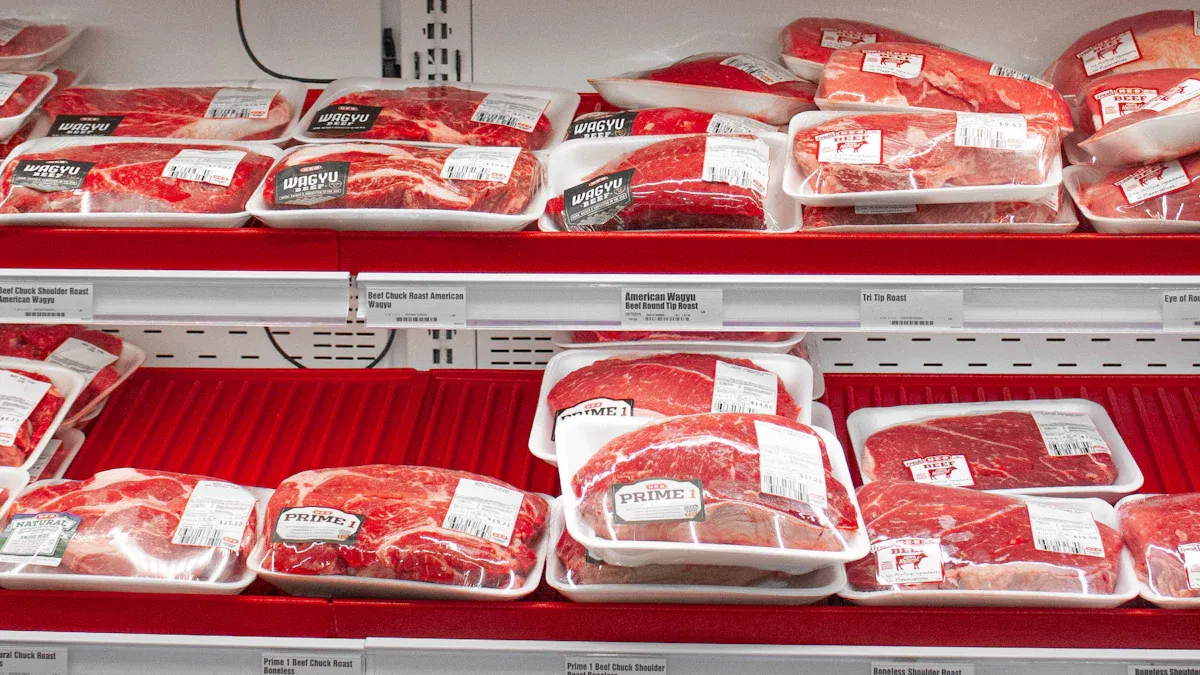
You should always keep meat at 40°F (4°C) or colder in a meat cold room. This low temperature slows the growth of bad bacteria. Storing meat safely helps stop contamination and spoilage. Studies show that microbial communities are important in meat spoilage. These groups interact and cause changes that can harm your meat. Good temperature control, careful packaging, smart organization, and strong hygiene all help you store meat safely.
Key Takeaways
Keep your meat cold room at 32°F to 40°F. This slows bacteria growth and keeps meat fresh. Use good packaging like vacuum sealers. This stops spoilage and keeps meat safe longer. Always keep raw and cooked meats apart. This helps stop cross-contamination and keeps food safe. Clean and sanitize your cold room often. This stops bacteria from spreading and keeps things clean. Use the FIFO method to use older meat first. This cuts down on waste and lowers the risk of getting sick from food.
Meat Cold Room Temperature Control
Ideal Temperature Range (32-40°F)
You need to keep your meat cold room between 32°F and 40°F. This temperature slows down bacteria that can spoil meat. Bacteria grow fast if it gets warmer than 40°F. Keeping meat cold protects it from bad germs. Do not let the temperature go below 32°F unless you want to freeze the meat. Freezing stops bacteria, but it can change how meat tastes and feels. If you want to freeze meat for a long time, set the temperature at 0°F or lower.
A meat cold room works best when you check the temperature often. Use a thermometer that gives you the right number. If it gets warmer than 40°F, bacteria can grow fast. If it gets too cold, the meat might freeze when you do not want it to. Keeping the right temperature helps meat stay safe and fresh for longer.
Tip: Set your meat cold room thermostat to 36°F. This gives you a safe space if the temperature goes up a little.
Monitoring with Accurate Thermometers
You should use good thermometers to check the temperature in your meat cold room. Put thermometers in different places, like near the door, on shelves, and in the middle of the room. This helps you find spots that are too hot or too cold. Check the temperature at least two times every day. Write down the numbers in a logbook. If you see changes, you can fix problems before they get worse.
Here are some thermometers you can use to check the temperature:
Taylor Precision Instant Read Thermometer (3512)
Oxo Good Grips Chef's Precision Meat Thermometer (11133300)
Weber iGrill 3
ThermoPro Digital Meat Thermometer (TP19H)
ThermoPro Smart BT Meat Thermometer TP920
The MeatStick MeatStick X Wireless Thermometer
Yummly Smart Thermometer
MEATER MEATER Plus with Bluetooth Repeater
Taylor Precision Leave-in Meat Thermometer 5939N
CDN ProAccurate TCT572-R
INKBIRD IBT-4XS BT Grill Meat Thermometer
KitchenAid Leave-in Meat Analog Thermometer (KQ902)
Pick a thermometer that is easy to read and works fast. Digital thermometers are good because they show the temperature right away. Wireless thermometers let you check the temperature from outside the meat cold room. You can use more than one thermometer to make sure the numbers are right.
If the temperature goes up, check the door seals and make sure the cold room is not too full. If the temperature gets close to freezing, change the thermostat. You need to keep the temperature steady so the meat does not spoil or freeze when you do not want it to.
Proper Meat Storage Preparation
Packaging and Sealing Methods
You need to use the right packaging to keep meat safe in a cold room. Good packaging stops germs and air from reaching the meat. This helps prevent spoilage and keeps the meat fresh. You can choose from many types of packaging, but some work better than others.
Multilayer barrier films block air and moisture. These films keep out bacteria and slow down spoilage.
Biodegradable films protect meat and help the environment. Many people now use these films because they break down naturally.
Smart packaging can show you if the meat is still fresh. Some packages have freshness indicators that change color if the meat goes bad.
You should always seal meat tightly. Use vacuum sealers to remove air from the package. This slows down bacteria growth and keeps the meat safe for longer. If you want to freeze meat, vacuum sealing works best. It stops freezer burn and keeps the taste and texture good.
Tip: Label each package with the date and type of meat. This helps you use older meat first and avoid waste.
When you freeze meat, make sure to use packaging that can handle cold temperatures. Thick freezer bags or heavy-duty foil work well. If you plan on thawing frozen meat, keep it in its original package until you are ready to cook it. This stops germs from spreading.
Separating Raw and Cooked Meats
You must keep raw and cooked meats apart in your cold room. Raw meat can carry harmful bacteria. If these bacteria touch cooked meat, they can make you sick. This is called cross-contamination.
Store raw meats on the bottom shelf. This stops juices from dripping onto other foods.
Keep cooked meats and ready-to-eat items on higher shelves.
Use separate containers for raw and cooked meats. Never mix them together.
Always use different cutting boards and tools for raw and cooked meats.
If you store raw and cooked meats together, you risk spreading bacteria. These germs do not change how the food looks or smells. You might not notice a problem until someone gets sick. Keeping raw meat on the bottom shelf in a sealed container is a simple way to stop this risk.
Note: Never put cooked food back on a plate that held raw meat unless you wash it very well.
Proper meat storage means you must pay attention to every step. When you freeze meat, keep raw and cooked items apart. When thawing frozen meat, always use clean containers and tools. This keeps your food safe and your cold room organized.
Organizing the Meat Cold Room
Shelving and Storage Layout
You need to set up your meat cold room with strong shelves. Metal shelves work best because you can clean them easily. Place shelves so air can move around each package. Good airflow keeps the temperature steady and helps prevent freezing in some spots while other areas stay too warm. You should leave space between the wall and the shelves. This stops cold air from getting blocked.
Arrange your shelves by type of meat. Put beef, pork, poultry, and fish in separate sections. Use labels to mark each area. You can use color-coded bins to help you find what you need quickly. Store heavier items on lower shelves. Lighter packages go on top. If you freeze meat, keep it in a special section away from fresh meat. This keeps the coldest air near the frozen items and stops them from thawing.
Tip: Clean shelves every week. Wipe up spills right away to stop bacteria from growing.
Preventing Cross-Contamination
You must stop germs from spreading in your meat cold room. Cross-contamination happens when bacteria move from one food to another. You can use simple steps to keep meat safe.
Here is a table that shows key practices for preventing cross-contamination:
Key Practice | Description |
|---|---|
Employee hygiene | Wash hands for 20 seconds, report illness, change gloves, use hair restraints, wear minimal jewelry. |
Time/temperature control | Keep cold foods at 41°F or colder, hot foods at 135°F or hotter. Cool hot foods quickly. Cook poultry to 165°F. |
Cross-contamination/allergens | Use color-coded tools, store raw meat below ready-to-eat foods, set up allergen areas, label Big 9 allergens. |
Cleaning/sanitizing | Follow cleaning plans, use sanitizer at 50-100 ppm chlorine, keep safety sheets for chemicals. |
Always use separate tools for raw and cooked meat. Color-coded knives and cutting boards help you remember which tool to use. Store raw meat below ready-to-eat foods. This stops juices from dripping onto cooked items. If you freeze meat, keep it in sealed packages to avoid leaks. Change gloves often and wash your hands after touching raw meat. You should follow cleaning plans and use the right amount of sanitizer. This keeps your cold room safe and clean.
Note: Never let raw meat touch cooked meat or foods that you will eat without cooking.
You can keep your meat cold room organized and safe by following these steps. Good shelving, smart layout, and strong cleaning habits protect your food and your health.
Hygiene and Cleaning Practices
Cleaning and Sanitizing Procedures
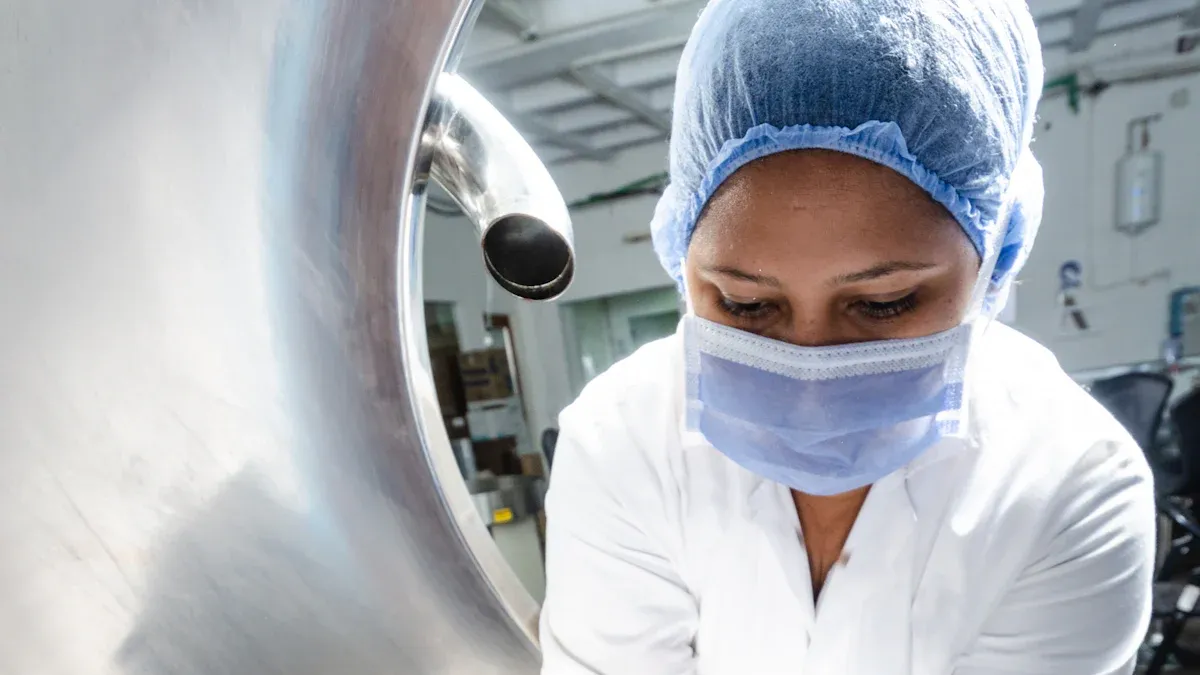
You need to keep your meat cold room clean to stop bacteria from spreading. Set a cleaning schedule and follow it every day. Wipe down shelves, walls, and floors with hot, soapy water. Rinse surfaces well, then use a food-safe sanitizer. Let the sanitizer sit for the time listed on the label. Dry all surfaces with clean towels.
Clean up spills right away. If you see blood or meat juices, use paper towels to soak them up. Throw these towels away in a sealed trash bin. Wash your hands after cleaning up any mess. Do not forget to clean door handles, light switches, and other places people touch often.
Tip: Make a checklist for daily, weekly, and monthly cleaning tasks. This helps you remember each job.
When you store meat, always check for leaks or broken packages. If you find any, clean the area and replace the package. If you use freezing to keep meat safe, clean the freezer section often. This stops ice buildup and keeps the air moving.
Personal Hygiene for Handlers
You play a big role in keeping meat safe. Good personal hygiene stops germs from getting on the meat. Always wash your hands for 20 seconds with soap before and after handling meat. Change gloves often, especially after touching raw meat or cleaning.
Here are some important hygiene rules for handlers:
Hygiene Rule | Description |
|---|---|
Handwashing | Wash hands for 20 seconds at key times; before and after tasks, using soap. |
RTE Contact | No bare-hand contact with ready-to-eat foods. |
Illness Exclusion | Exclude individuals with vomiting or diarrhea from handling food. |
Glove Usage | Change gloves frequently to prevent contamination. |
If you feel sick, do not handle meat. Stay home if you have vomiting or diarrhea. This keeps others safe. Wear clean clothes and tie back long hair. Remove jewelry before you enter the cold room.
Freezing tips: Always wash your hands before and after handling meat that you plan to freeze. This keeps bacteria from spreading during the freezing process.
You help keep the cold room safe and clean by following these steps. Good hygiene and regular cleaning protect both you and the food.
Stock Rotation and Safety Checks
FIFO Method and Expiration Dates
You need to use the FIFO (First In, First Out) method to keep your meat cold room safe. This method means you always use the oldest products first. When you follow FIFO, you lower the risk of food spoilage and foodborne illnesses. You also avoid time abuse in food preparation.
Here are some simple steps to help you use FIFO and manage expiration dates:
Label every container with the preparation date.
Place new items behind older ones on the shelf.
Store raw meats on the bottom shelf.
Use shallow containers for leftovers so they cool quickly.
Do a weekly "fridge audit" to find items close to their use-by dates.
Always reheat leftovers to 165°F (74°C) before serving.
Tip: Following FIFO helps you keep your cold room organized and safe.
Identifying Spoilage and Unsafe Meat
You must check meat for signs of spoilage before using it. Spoiled meat can look, feel, or smell different. Watch for these warning signs:
Discoloration: Fresh steak looks bright red. Spoiled steak turns dull or gray.
Mold spots: White, green, or black fuzzy patches mean the meat is unsafe.
Slimy texture: Sticky or tacky surfaces show spoilage.
Odor: Fresh meat smells meaty. Spoiled meat smells sour or like ammonia.
Packaging issues: Swollen or leaking vacuum packs suggest bacteria growth.
Eating spoiled meat can make you sick. Pathogenic bacteria like Salmonella, Listeria, Campylobacter, and norovirus can cause foodborne illnesses. These bacteria grow fast between 40°F and 140°F. Sometimes, spoiled meat does not show any signs, so always handle meat with care.
Handling Power Outages
Power outages can put your meat at risk. You need to act fast to keep it safe. Here is what you should do:
Keep refrigerator and freezer doors closed as much as possible.
Group packages of cold food together to slow heat gain.
Cover open refrigerated and frozen food cases.
Check the internal temperature of food when power returns.
Throw away any food that may have been in the danger zone.
A refrigerator keeps food cold for about 4 hours if you do not open the door. Food in a full freezer stays safe for 48 hours. A half-full freezer keeps food safe for 24 hours. Avoid opening the refrigerator or freezer during an outage. If you use freezing to store meat, remember that keeping the door closed helps protect your food.
Note: If you are unsure about the safety of your meat after a power outage, it is safer to throw it away.
You can keep meat safe and fresh by doing a few easy things in your meat cold room. Always check the temperature to make sure it is right. Use real-time monitoring so you can spot problems fast. Organize the shelves so air can move around the meat. Keep raw meat away from cooked meat. Clean the cold room often to stop germs from spreading. Use vacuum sealing to help meat stay fresh longer. Studies show that ozonated water and high-oxygen packaging can also keep meat safe and tasty.
Check how you store meat often so you do not make mistakes like putting too much on shelves or leaving the door open for a long time.
Common Mistake | How to Avoid |
|---|---|
Putting hot food in right away | Cool it with ice baths first |
Filling shelves too much | Leave space for air to move |
Not closing the door fast | Shut it quickly after each use |
FAQ
How cold should a meat cold room stay?
You should keep your meat cold room between 32°F and 40°F. This range slows bacteria growth and keeps meat fresh. Use a reliable thermometer to check the temperature every day.
What are the safest methods for thawing meat?
You can use the refrigerator, cold water, or a microwave. The refrigerator is the safest method for thawing because it keeps meat at a safe temperature. Never thaw meat at room temperature.
How do you safely thaw meat if you need it quickly?
You can safely thaw meat by placing it in a sealed bag and submerging it in cold water. Change the water every 30 minutes. Cook the meat right after thawing.
How often should you clean a meat cold room?
You should clean shelves, walls, and floors every day. Wipe up spills right away. Deep clean and sanitize all surfaces every week to stop bacteria from spreading.
What should you do if the cold room loses power?
Keep the door closed to hold in the cold air. Check the temperature when power returns. Throw away any meat that stayed above 40°F for more than two hours.
See Also
Exploring Cold Rooms for Effective Meat Preservation
The Role of Cold Rooms in Food Safety
Creating a Functional Cold Room for Slaughtering