Keep Meat Cold Room Safe and Chill Every Day
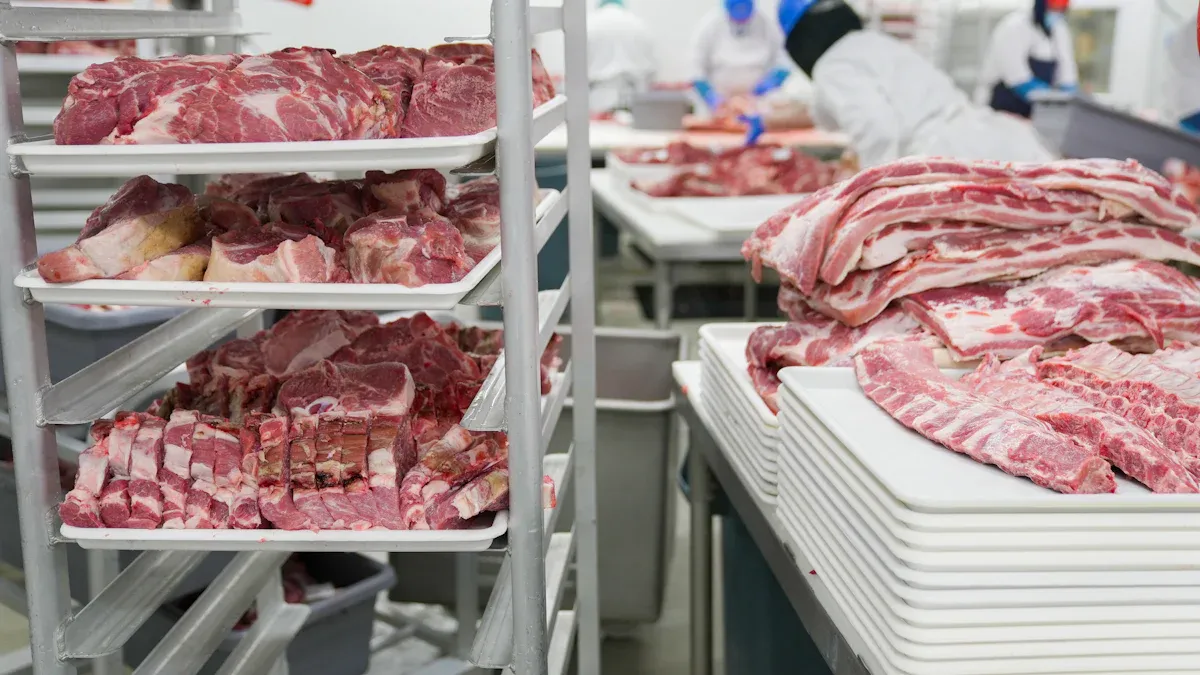
You play a key role in keeping your meat cold room safe every day. Food safety experts recommend storing meat at 41.0°F or below to stop bacteria from growing.
Store meat at or below 41.0°F for the best safety.
Daily routines help you spot problems early and keep the right temperature. Simple checks protect your meat and your reputation.
Key Takeaways
Keep meat at 41.0°F or colder to stop bacteria from growing and keep food safe.
Check door seals, temperature logs, and airflow every day to keep your cold room working well.
Clean the condenser coils once a month to help the cooler work better and save energy.
Put meat on shelves the right way and do not pack them too close together. This helps air move well and keeps meat from getting dirty.
Use alarms and remote checks for temperature. This helps you act fast if the temperature changes or something breaks.
Daily Meat Cold Room Safety Checks
Inspect Door Seals
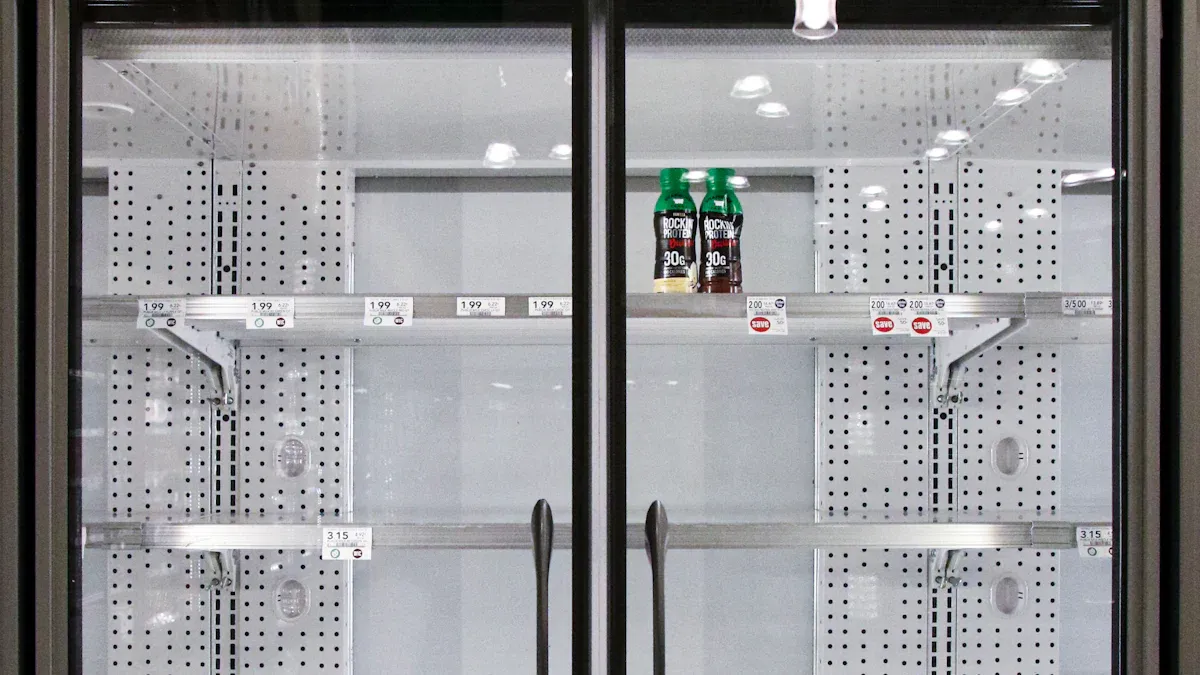
You need to check the door seals of your meat cold room every day. Door gaskets can get dirty, cracked, or torn. These problems let cold air escape and make it hard to keep the optimal temperature for meat storage.
Look for dirt on the seals.
Search for cracks or tears.
Make sure the door closes tightly.
Worn hinges can cause the door to sag. If the door does not line up, it will not seal well. Hydraulic door closers sometimes leak oil. If you see oil, the door may not close all the way. Air leaks stress your refrigeration system and lower efficiency.
Tip: Clean the seals often and fix any damage right away. Good seals help you keep meat safe and prevent contamination.
Monitor Temperature Logs
You must record the temperature in your cold rooms several times a day. The best practices for meat storage say you should keep the temperature between 0 and 4°C (32 to 39°F).
Write down the temperature in a log book or digital system.
Check the readings at least three times a day.
Watch for sudden changes.
Temperature control is key for food safety. If the temperature goes above the safe range, bacteria can grow fast. You protect meat and prevent contamination by keeping a close eye on the numbers.
Note: Use a table to track your temperature checks. This helps you spot problems early and keeps your records organized.
Time of Day | Temperature (°C) | Staff Initials |
|---|---|---|
Morning | ||
Afternoon | ||
Evening |
Check Airflow and Vents
Airflow keeps the cold room working well. You need to look at the vents and make sure nothing blocks them. Ice can build up and stop air from moving. Poor circulation leads to uneven cooling and raises the risk of contamination.
Check for ice around the vents.
Remove boxes or meat that block airflow.
Make sure fans run smoothly.
Humidity can rise if airflow is poor. High humidity can cause mold and spoilage. Good circulation helps you keep meat storage safe and supports safe handling.
Alert: Blocked vents can lead to unsafe temperatures and contamination. Regular cleaning and maintenance keep your cold rooms efficient and safe.
Daily checks help you follow best practices for meat storage. You lower the risk of contamination and keep your meat cold room safe every day.
Scheduled Maintenance for Food Safety
Doing scheduled maintenance helps your meat cold rooms work well and stay safe. You need to do weekly, monthly, and yearly checks. This stops equipment from breaking and keeps food safe. Regular service stops bacteria from growing. It also keeps your meat at the right temperature.
Clean Condenser Coils
You should clean the condenser coils often. This helps your cold room cool better. It also helps the room get cold again fast after you open the door. Clean coils use less energy and keep your meat safe.
Clean condenser coils once a month in most places.
If there is a lot of grease or dust, clean every two weeks.
Cleaning the condenser coils helps the room get cold faster and saves energy. This is very important for food safety and saving power.
Here is how cleaning helps your cold rooms:
Evidence | Explanation |
|---|---|
Clean condenser coils monthly | This keeps the cooling strong and helps keep meat at a safe temperature. |
Reduces energy consumption | Good cooling uses less energy and saves money. |
Prevents growth of harmful bacteria | Safe temperatures stop bacteria from growing in meat. |
Defrost Procedures
Defrosting is an important part of taking care of meat cold rooms. Ice can block air and make the room too wet. This can put your meat in danger. You need to follow good steps to keep food safe.
Use a tray, the fridge, or cold water to keep meat cold while thawing.
Cook meat right away after using the microwave to defrost.
Thaw each ingredient by itself to stop cross-contamination.
Cover meat a little bit while thawing to keep it clean.
Always use clean surfaces and containers.
Thaw meat in the fridge and keep it below 40°F.
Put meat in a leak-proof container on the bottom shelf.
For cold water thawing, put meat in a leak-proof bag and change the water every 30 minutes.
Tip: Good defrosting stops bacteria from growing and keeps your meat cold rooms safe.
Inspect for Leaks or Damage
You need to check your meat cold rooms for leaks or damage as part of your routine. Water leaks can cause mold, make the room too wet, and hurt your equipment. Checking often helps you find problems early and keeps your meat safe.
Issue Description | Location |
|---|---|
Front hand sink | |
Front hand sink faucet leaking while turned off | Front hand sink |
Rear hand sink drain line leaking | Rear hand sink |
Leak at faucet of women's and men's restroom hand sinks | Women's and men's restroom sinks |
Water leaking under the sanitize compartment at 3 bay sink | 3 bay sink |
Alert: Fix leaks and damage right away to stop equipment from breaking and keep food safe.
Cleaning coils, defrosting, and checking for leaks help you stop equipment from breaking. These steps also keep your meat cold rooms working well and safe. Watch for warning signs like strange sounds or ice building up. These signs can mean bigger problems if you do not fix them.
Doing regular maintenance is one of the best ways to keep your meat cold rooms in great shape. You protect your meat, save energy, and keep food safe every day.
Meat Storage Organization Tips
Proper Shelf Placement
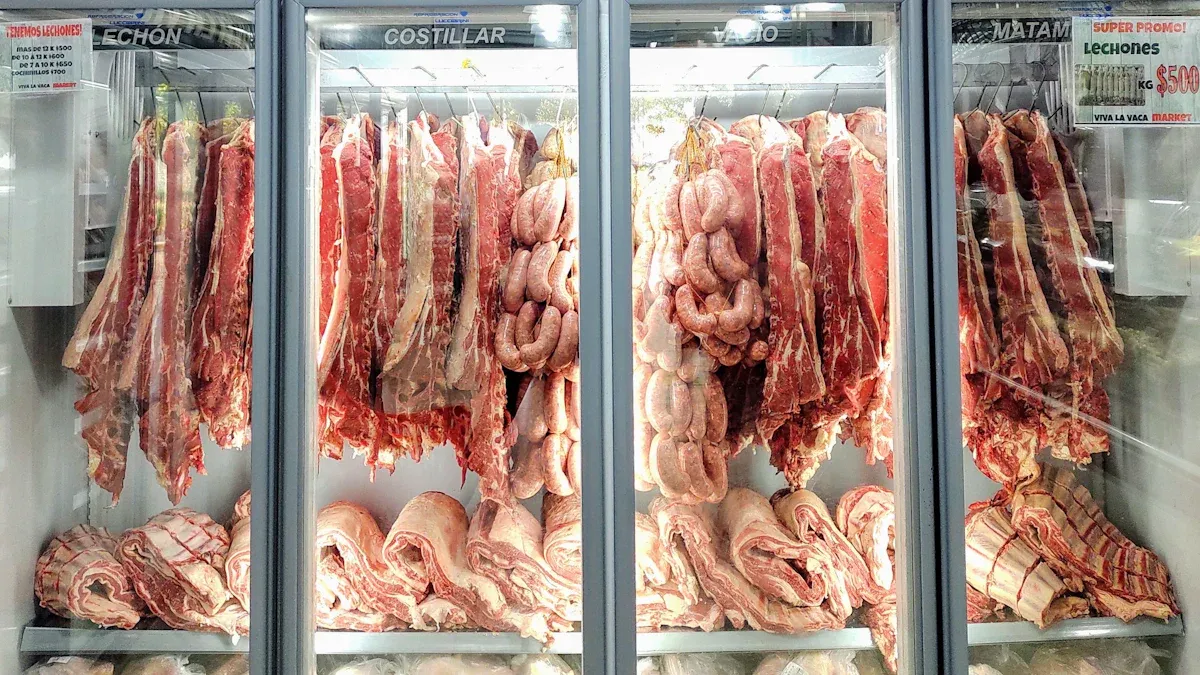
You need to place raw meat on the bottom shelf in your cold rooms. This step protects other foods from contamination. Juices from meat can drip down if you store it higher up. Sealed containers stop leaks and keep your cold rooms clean. You lower the risk of foodborne illnesses when you follow this method. Always check that containers close tightly and do not have cracks. This simple habit supports safe meat storage and helps you meet food safety standards.
Tip: Use leak-proof containers for all raw meat. This keeps your cold rooms safe and prevents contamination.
Avoid Overcrowding
You should avoid packing your cold rooms too full. Overcrowding blocks airflow and makes it hard for cold air to reach every item. Good airflow keeps the temperature steady and stops humidity from rising. When you give space between containers, you help your cold rooms work better. This also lowers the risk of contamination because items do not touch each other. You improve efficiency and keep your meat storage safe by leaving gaps on each shelf.
Leave space between containers.
Do not stack meat too high.
Check vents and fans for clear paths.
Label and Rotate Stock
You need to label and rotate your meat stock to keep your meat storage organized. Follow these best practices to prevent waste and reduce contamination:
Enforce FIFO (First-In, First-Out) so you use older meat before newer stock.
Label every container with the date and item name as soon as you receive it.
Organize your cold rooms for easy access and smooth flow.
Use waterproof labels and follow shelf-life guidance.
Place new meat behind older stock when restocking.
Check your rotation daily and do regular audits to make sure everything is in order.
A clear labeling system helps you track meat storage and avoid mistakes. You keep your cold rooms efficient and safe when you rotate stock the right way.
Note: Good labeling and rotation lower the risk of contamination and keep your meat fresh.
Temperature Monitoring and Alarms
Set Up Temperature Alarms
You should put temperature alarms in your cold rooms. These alarms help you keep meat at the right temperature. If the temperature gets too high or too low, the alarm will warn you. This fast warning helps you fix problems quickly and keep food safe. Some alarms make a loud noise. Others can send a message to your phone. Pick alarms that work best for your cold rooms and daily needs.
Tip: Test your alarms often to be sure they work. This helps you manage temperature and keeps your meat safe.
Use Remote Monitoring
Remote monitoring lets you watch your cold rooms from far away. You can check the temperature on your phone or computer any time. This helps you find problems before they get worse. Remote systems can track temperature, humidity, and airflow. You can see if your cold rooms stay cold, even when you are not there. Remote monitoring also helps you keep good records for food safety and repairs.
Feature | Benefit |
|---|---|
Temperature logs | See changes as they happen |
Humidity control | Stop mold and spoilage |
Alerts | Fix problems quickly |
Respond to Alerts
When you get an alert, you need to act fast. Check your cold rooms for blocked vents or broken equipment. Look at your temperature logs to find out what happened. Move meat to another cold room if you have to. Acting quickly keeps your meat safe and helps you handle it the right way. Always clean and check your cold rooms after a problem. This keeps your cold rooms working well.
Note: Acting fast when you get alerts helps you keep the right temperature and stops your meat from going bad.
Troubleshooting Meat Cold Room Issues
Handle Temperature Fluctuations
Sometimes, the temperature in your meat cold room changes fast. These changes can make your meat unsafe. First, check your temperature logs for any patterns or big jumps. Make sure the door closes all the way. Look at the vents and see if anything is blocking them. Move boxes or meat away from the vents to help air move better. If you see ice on the fans, clean it off right away. Ice can stop cold air from spreading and cause some spots to get warmer. Always check if the thermometer is working right. If it shows the wrong number, get a new one. Doing these things helps keep your meat safe and stops contamination.
Tip: Write down every time the temperature changes. This helps you find problems early and keeps food safe.
Power Outage Response
A power outage can make your meat unsafe. You need to act fast to protect your meat and stop contamination. Here are steps you should follow:
Keep the refrigerator and freezer doors closed as much as you can.
Put thermometers inside if you have them.
Put meat together in the freezer so it stays cold longer.
Use dry ice or ice packs if the power will be out for a long time. Twenty-five pounds of dry ice can keep a freezer cold for one day.
Check the temperature when the power comes back. If the meat stayed below 41°F, you can keep it. If the temperature went above 41°F, you must throw the meat away to keep it safe.
Equipment Failure Solutions
If your equipment breaks, you need to act fast. Move the meat to another cold room if you can. Use ice packs or dry ice to keep things cold. Call your maintenance team right away. Write down what happened and what you did to fix it. Clean everything well after repairs to stop contamination. Doing regular checks helps stop equipment from breaking and keeps things running well. Always use safe handling to protect your meat and stop contamination.
Alert: Acting fast when equipment breaks keeps your meat safe and your cold rooms working.
You protect food safety when you follow daily, scheduled, and emergency checks in your cold room. These steps help you keep meat fresh and lower risks. Use these practices to make your storage reliable and safe. Stay alert and act early. Your effort keeps your business strong and your customers healthy.
FAQ
What is the optimal temperature for meat cold room storage?
You should keep your meat cold room between 0°C and 4°C. This temperature slows down bacteria growth. It also helps keep food safe. Good temperature control keeps meat fresh and protects your products.
How often should I perform cleaning and sanitization in meat cold rooms?
You need to clean and sanitize every day. This keeps your meat cold room clean and stops contamination. Doing regular and routine maintenance helps keep storage safe. It also makes your work area more efficient.
Why is humidity control important in meat storage?
Humidity control keeps your meat storage safe. Keeping humidity at the right level stops mold and spoilage. Good humidity control helps air move well. It also keeps meat and seafood fresh. Using best practices for humidity protects food safety.
What are the best practices for safe handling and organization in meat cold rooms?
You should always use safe handling and storage steps. Label all meat containers and rotate your stock. Put raw meat below other foods. These steps stop cross-contamination and help keep your cold rooms clean.
How do I respond to temperature changes or equipment issues in meat cold rooms?
If you notice temperature changes, check your control systems and logs. Move meat to another unit if you need to. Use safe handling and call for help. Acting fast keeps your meat cold room safe and working well.
See Also
The Role of Cold Rooms in Food Safety and Hygiene
Exploring Cold Rooms for Safe Meat Preservation Techniques
Steps to Create a High-Performance Slaughter Cold Room