Slaughter Cold Storage: The Hidden Hero in Meat Safety
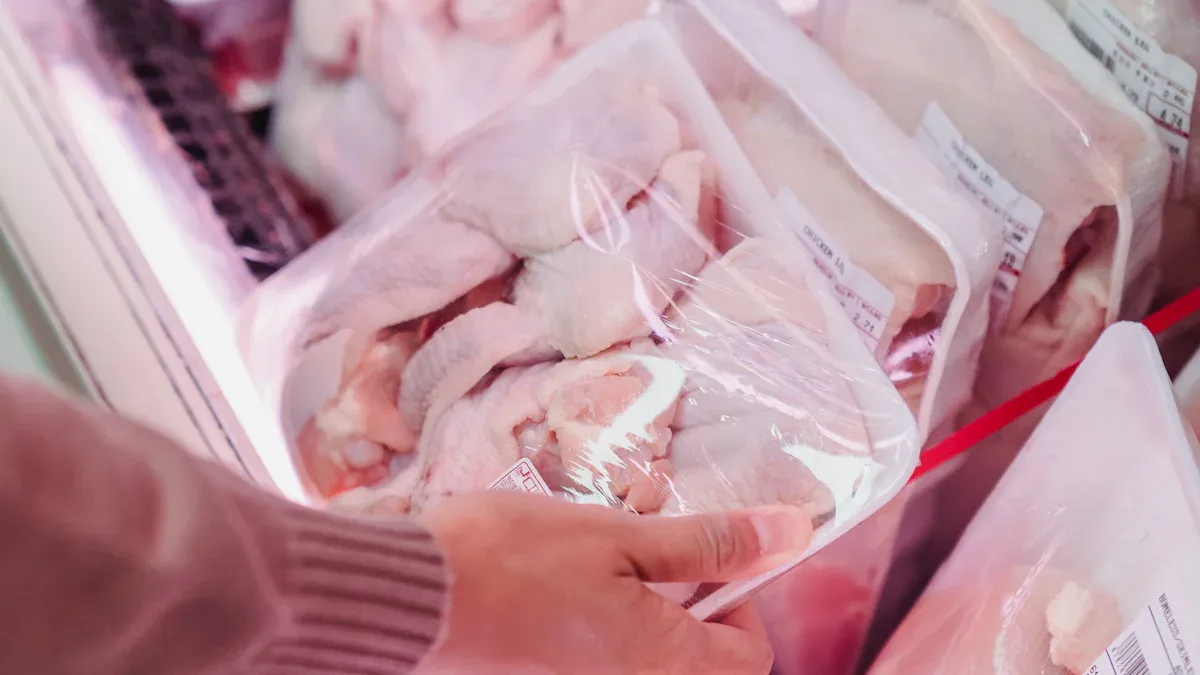
Efficient slaughter cold storage keeps meat safe for people. You have to watch the temperature at every step. This stops meat from going bad or getting dirty. The right slaughter cold storage in your slaughterhouse keeps meat at the best temperature.
Good management of slaughter cold storage lowers risks and keeps meat safe.
You should check the meat temperature many times. You also need to keep the place clean. Slaughter cold storage helps you move meat in and out. It lets you give people fresh meat.
Slaughter cold storage keeps meat fresh.
Checking temperature stops contamination.
Good slaughter cold storage helps you follow safety rules.
You waste less meat by keeping it at the right temperature.
Slaughter cold storage helps people trust your meat is safe.
Key Takeaways
Keep the right temperature in cold storage to make meat stay fresh and safe.
Clean on a set schedule to stop germs and follow rules.
Teach workers often about hygiene and safety to keep meat good.
Use machines to check temperature and help cold storage work better.
Use the FIFO method for inventory to waste less and keep meat safe.
Facility Design For Slaughter Cold Storage
Abattoir Layout & Hygiene Zones
You must plan your abattoir to keep meat safe. How you set up cold storage matters for safety. You need to keep clean and dirty areas apart. This helps stop germs from spreading.
A good layout lets meat move from slaughter to cold storage without touching waste. You can use different colors to show where staff can work with meat. Some places are off-limits for meat handling.
Tip: Put up signs and barriers so staff know where to go and keep areas clean.
Think about how people and meat move in your abattoir. Wide walkways and easy doors make work safer and faster. This also helps prevent accidents.
Many plants use special doors and air curtains. These keep cold air in and block dust or bugs. You can add these to your slaughterhouse to help keep things clean and efficient.
Zone Type | Purpose | Example Features |
|---|---|---|
Clean Zone | Meat handling | Stainless steel tables |
Dirty Zone | Waste processing | Floor drains, sealed bins |
Transition | Staff movement | Handwashing stations |
Insulation & Airflow In Refrigeration
You need to focus on insulation and airflow in cold storage. Good insulation helps your equipment work better and saves energy. You can use insulated sandwich panels to keep cold air inside. These panels help control temperature and lower bills.
Refrigeration is important for keeping meat safe. You should check airflow in your abattoir. If air moves the right way, it stops bacteria from spreading. Place fans and vents to move cold air over meat and away from dirty spots.
Note: Check your refrigeration equipment often to make sure it stays cold.
You can use smart sensors to watch temperature and humidity. These tools help you find problems before they hurt the meat. Many abattoirs use automated systems to control airflow and keep things steady.
Refrigeration does more than just cool meat. It keeps meat from going bad and helps your business run well.
If you use strong insulation and smart airflow, your abattoir is safer and works better. You also help the environment by saving energy.
Slaughter Process & Staff Management
SOPs In Abattoir Operations
You need strong SOPs to keep your abattoir safe. SOPs are rules for every step in processing livestock. These rules help you avoid mistakes. They also protect the quality of meat. You must follow SOPs from when livestock arrive.
Check livestock health before they enter.
Move livestock calmly to stop stress and injury.
Clean tools and surfaces before and after use.
Store meat fast in cold storage after processing.
Tip: Look at your SOPs often. Change them if you find better ways to handle livestock or meat.
A clear SOP helps your team know what to do. You can use checklists so staff do not miss steps. This keeps your abattoir working well. It also keeps meat safe for everyone.
Training & Supervision
You must train your staff to handle livestock and meat right. Training helps workers know why each step is important. You should teach new staff about hygiene, animal handling, and safety.
Supervision makes sure everyone follows the rules. Supervisors watch how staff move livestock and process meat. They can see problems early and fix them fast.
Training Topic | Why It Matters |
|---|---|
Livestock handling | Reduces stress and injury |
Hygiene practices | Stops germs from spreading |
Equipment use | Prevents accidents |
Note: Hold training sessions often. Use real examples from your abattoir to help staff learn.
When you train and supervise staff, you protect your team, your livestock, and your meat. Your abattoir becomes safer for everyone.
Cold Storage & Temperature Control
Temperature Monitoring & Documentation
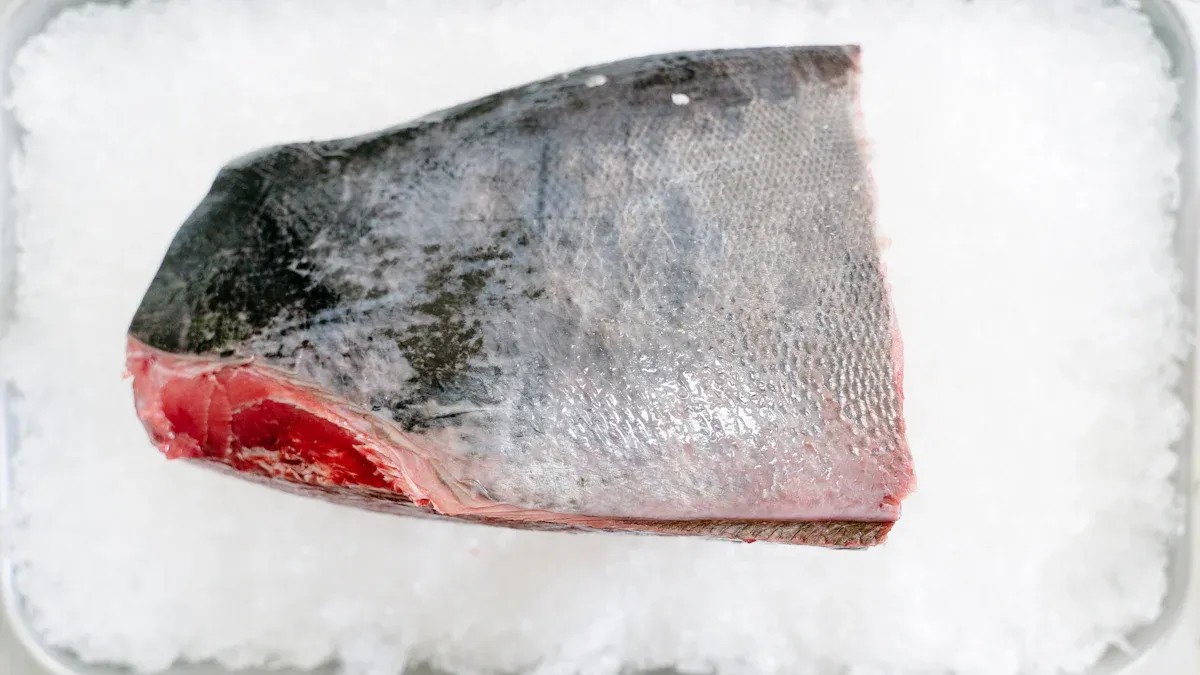
You need to watch the temperature all the time in your abattoir. When meat arrives, check its temperature right away. This first check helps you find problems before meat goes into cold storage. Use temperature monitoring systems to see readings as they happen. These systems warn you if the temperature is not right.
Good temperature control stops meat from going bad. Set your chillers to the best temperature for each kind of meat. Start chilling meat as soon as it leaves the slaughter area. Chilling quickly keeps bacteria from growing and keeps meat good. If the temperature gets too high, you lose safety and quality.
Tip: Write down every temperature check. Keeping records helps you follow rules and see patterns.
Check the temperature at three main times:
When meat comes to the abattoir
While meat is in the fridge units
Before you send meat to the next part of the cold chain
A simple table helps you keep track of temperature checks:
Step | Ideal Temperature (°F) | Time Checked | Staff Initials |
|---|---|---|---|
Receiving | 32-39 | ||
Chilling | 32-39 | ||
Dispatch | 32-39 |
If you skip a check, meat can spoil. You also lose trust in your safety plan. Use digital logs or paper forms, but always keep your records current.
Inventory Rotation & Handling
Handle inventory carefully to keep meat good. Always use the First-In, First-Out (FIFO) method. This means older meat goes out before newer meat. FIFO helps stop spoilage and keeps chilling working well.
When moving meat in and out of the fridge, keep doors closed. Open doors let warm air in and raise the temperature. Even a small change can hurt meat quality. Train staff to work fast and close doors right away.
Note: Do not put too much meat in cold storage. Too much meat blocks airflow and stops chilling.
The cold chain needs steady temperature. If you break the chain, you lose safety and quality. Always check temperature before moving meat to the next step. Use tools to make sure the temperature stays right.
Here are some good ways to handle inventory:
Label meat with the date and time it came in
Put meat on racks for better airflow and chilling
Check temperature often, especially when busy
Take out any meat that does not meet standards
Bad storage causes big losses. Spoiled meat cannot be sold and can hurt your business. Good refrigeration and careful handling protect your company and your customers.
Remember: The right temperature, steady chilling, and good records keep your abattoir safe and working well.
Hygiene & Compliance
Cleaning Schedules & Pest Control
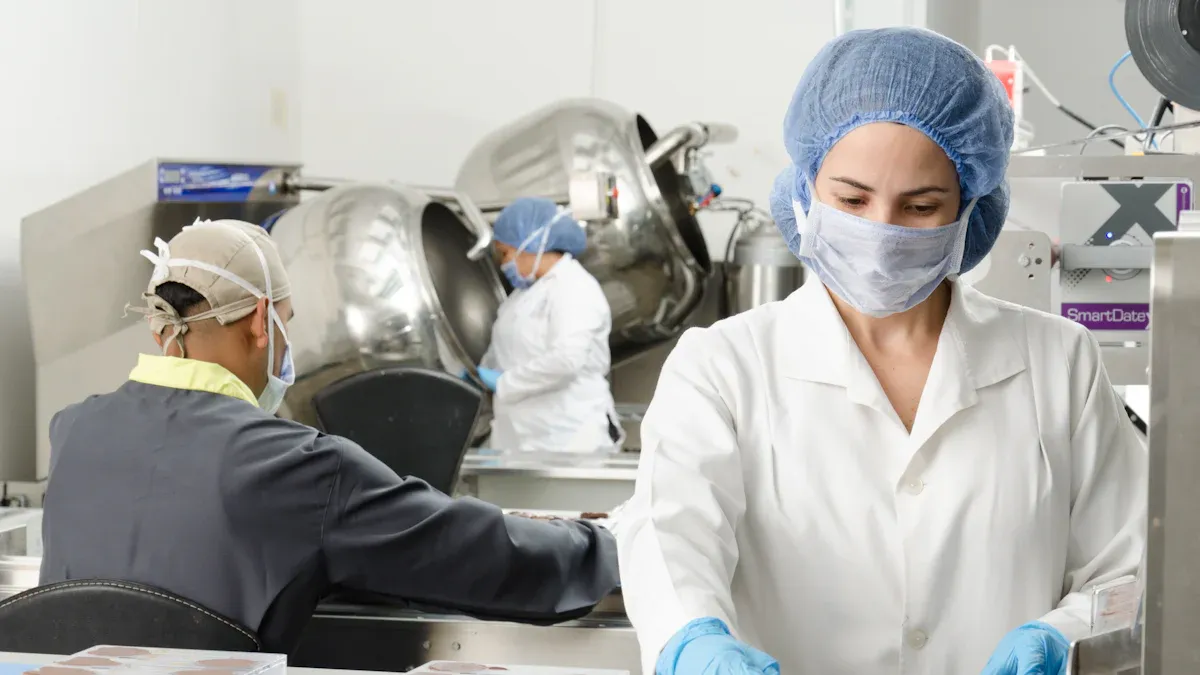
You have to keep your abattoir clean to follow the rules. Cleanliness starts with a cleaning schedule you stick to every day. Clean all tools, surfaces, and floors at certain times. This stops bacteria from spreading around. Use only approved cleaners for sanitation. Check drains and corners because dirt can hide there.
Pest control is also important for compliance. You need to keep pests out of your abattoir. Set traps and check them often. Make sure all doors and windows are sealed tight. Take out waste fast so bugs and rodents stay away. Good hygiene and sanitation keep your meat safe and help you pass checks.
Tip: Put your cleaning schedule where all staff can see it. This helps everyone remember to focus on hygiene and compliance.
Record-Keeping & Standards
You need to keep clear records to show you follow the rules. Write down every cleaning job and pest control check. Keep these records in a safe place. Auditors will want to see proof during inspections. Good record-keeping helps you avoid fines and shows you follow compliance rules.
You should know the standards for your abattoir. These rules cover hygiene, sanitation, and temperature checks. Teach your staff about compliance so they understand. Look at your records each week to find problems early.
Here is a simple table for tracking compliance tasks:
Task | Date | Staff Initials | Notes |
|---|---|---|---|
Clean chillers | |||
Check pest traps | |||
Sanitize tools |
You must follow compliance rules to keep your abattoir open. When you focus on hygiene and compliance, you protect your business and your customers.
Technology & Continuous Improvement
Automation In Refrigeration
Using automation in refrigeration helps your facility stay safe and work better. Automated systems let you control temperature very accurately. These systems change cooling to fit what your storage needs. You do not need to check everything by hand as often. Sensors watch the temperature and tell you if it changes. This keeps meat safe and stops it from spoiling.
Modern meat plants use new technology to make cold storage better. The table below shows how these new ideas work:
Technology | Description | Benefits |
|---|---|---|
Carbon dioxide (CO₂) | Non-toxic refrigerant used at high pressure | Safe, eco-friendly, effective for cold storage |
Glycol systems | Water/glycol mixtures cooled by central plants | Efficient cooling, better energy management |
Night-time cooling | Compressors run harder during off-peak hours | Lower energy costs, uses cheaper electricity |
Thermal mass optimisation | Facilities retain cold better when full | Improved efficiency, better planning |
Variable speed drives | Compressors adjust speed to match load | Saves energy, reduces equipment wear |
Heat recovery | Captures heat for other uses | Cuts costs, boosts energy efficiency |
Solar and battery systems | Manages electricity costs, reduces grid dependence | Backup power, less reliance on traditional sources |
Blast freezers can chill meat very fast. These freezers drop the temperature quickly and stop bacteria from growing. Automation helps you keep the right temperature all the time.
Tip: Check your automated systems often to make sure they work well and keep meat safe.
Staff Feedback & Audits
You should listen to your staff and do audits to make your facility better. Staff can see problems and share ideas to improve how you handle meat and equipment. Ask for feedback after every shift. This helps you find problems early.
Audits help you see if your facility follows safety rules. You can use checklists to look at temperature logs, cleaning records, and how equipment works. Audits show you what needs to get better. You can fix problems before they hurt meat safety.
Ask staff for feedback about how things work.
Look at temperature records when you do audits.
Change your rules if audits show you need to.
Note: Always try to improve your facility. When you listen to feedback and check your work, you keep your business and your customers safe.
You can make meat safer by watching the temperature closely. Clean your abattoir often and train your staff regularly. Use night-time cooling to keep cold storage working well. Thermal mass optimization also helps your cold storage stay efficient. Variable speed drives and heat recovery save energy for your business. Solar and battery systems cut costs and help the environment. Check your work often and ask staff for ideas. When you try new technology and keep getting better, your abattoir stays safe and trusted. 🥩
FAQ
What temperature should you keep meat in cold storage?
Meat should stay between 32°F and 39°F. This temperature keeps bacteria from growing. It also helps meat stay fresh. Check the thermometer often to make sure the temperature does not change.
How often should you clean your cold storage area?
Clean your cold storage area every day. Wipe all surfaces, tools, and floors. Use only cleaners that are approved. Cleaning often stops contamination and helps you follow safety rules.
Why is inventory rotation important in meat storage?
Inventory rotation means you use older meat first. This is called FIFO, or First-In, First-Out. FIFO helps you waste less meat and keeps it safe. You protect your business and your customers by using this method.
What records do you need for compliance?
You have to keep records of temperature checks, cleaning times, pest control, and staff training. Auditors will want to see these records when they visit. Good records show you follow safety rules and keep your facility safe.
See Also
Exploring Cold Rooms for Effective Meat Preservation
Steps to Create a Functional Cold Room for Slaughter
Revolutionizing Food Processing with Quick Freezing Tunnels
Seven Cutting-Edge Developments in Cold Storage Solutions
Addressing Storage Issues with Restaurant Cold Room Solutions