Slaughter Cold Storage Stops Spoilage and Saves Supper

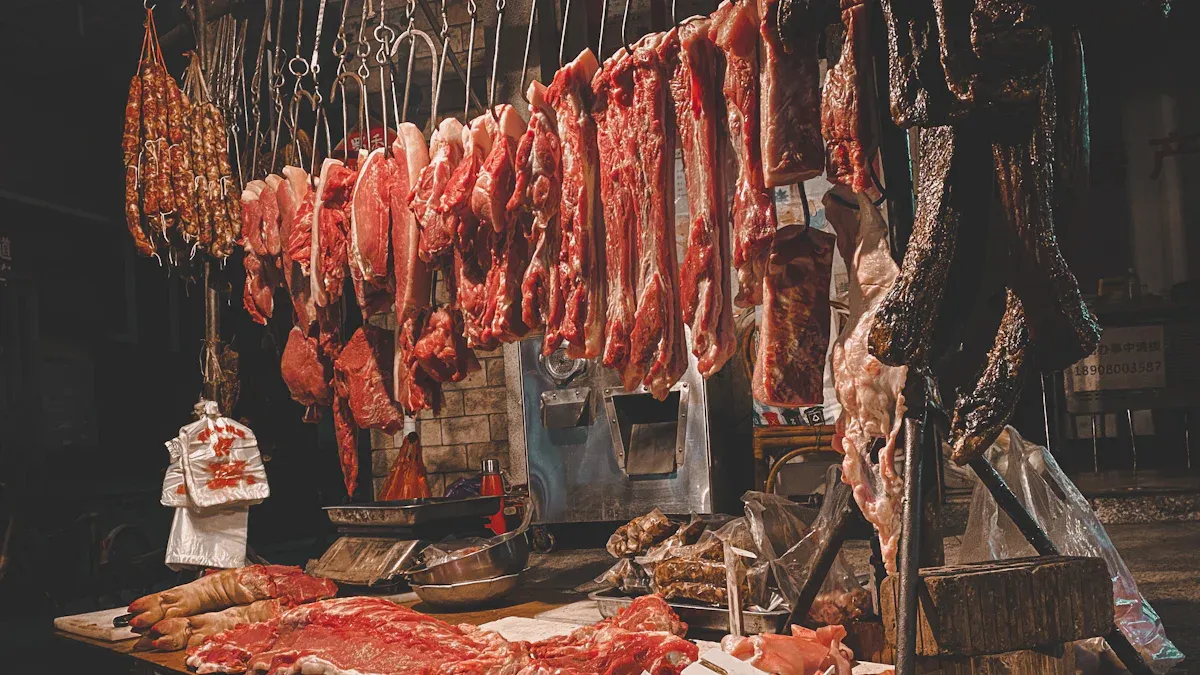
You rely on Slaughter Cold Storage to keep your meat safe and fresh. When you control the temperature, you stop bacteria from growing and prevent spoilage. These steps follow strict food safety rules and protect the quality of the meat you eat. > When you understand how these systems work, you can feel more confident about the safety of your food.
Key Takeaways
Keep meat at 40°F (4°C) or colder to stop bacteria from growing and keep it from spoiling. - Chill meat quickly after slaughter to keep it fresh and good. - Check the temperature often with tools to make sure meat is safe and fresh. - Use the right storage steps to stop cross-contamination and keep meat safe. - Pick meat from places that use cold storage to help keep your family healthy.
Temperature Control in Meat Safety
How Temperature Stops Spoilage
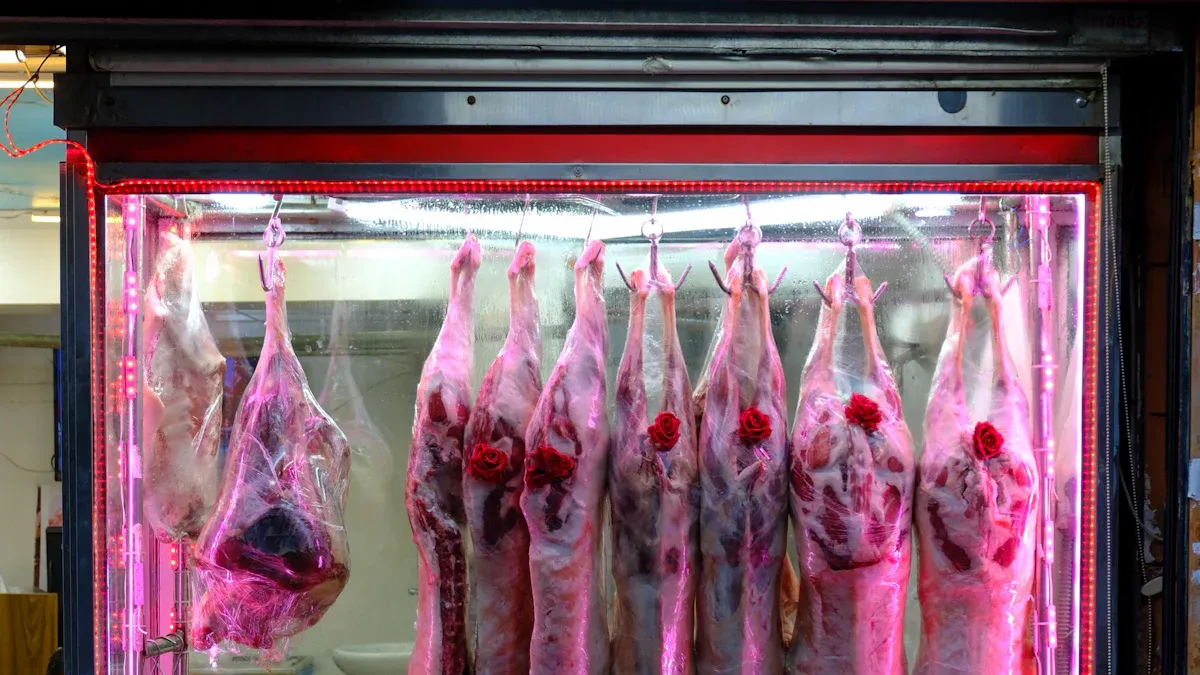
Meat must stay cold to avoid spoilage. Lower temperatures slow down bacteria and tiny organisms. These tiny organisms make meat rot and smell bad. If meat gets too warm, bacteria grow quickly. They break down meat and make it unsafe. Using temperature control keeps meat fresh longer.
Tip: Always look at the temperature in your fridge or freezer. Cold air helps keep food safe.
The right temperature is needed for food safety rules. Experts say meat should be under 40°F (4°C). This temperature stops most bacteria from growing. Temperature control protects your family from spoiled food.
Impact on Bacteria and Freshness
Bacteria grow best in warm places. If meat is stored too warm, bacteria multiply fast. Some bacteria are called pathogens. Pathogens can make you sick if you eat food they touch. You can stop pathogens by keeping meat cold.
Here is a simple table that shows how temperature affects bacteria:
Temperature (°F) | Bacteria Growth Rate | Meat Freshness |
|---|---|---|
70 | Very Fast | Spoils Quickly |
40 | Slow | Stays Fresh Longer |
0 | Stops | Best for Storage |
Lower temperatures mean less bacteria and fresher meat. You also keep the taste and color better. Using temperature control meets safety standards and helps your family avoid getting sick.
Pathogens do not grow when meat is kept cold. You help keep food safe by checking the temperature every day.
Slaughter Cold Storage Benefits
Prevents Bacterial Growth
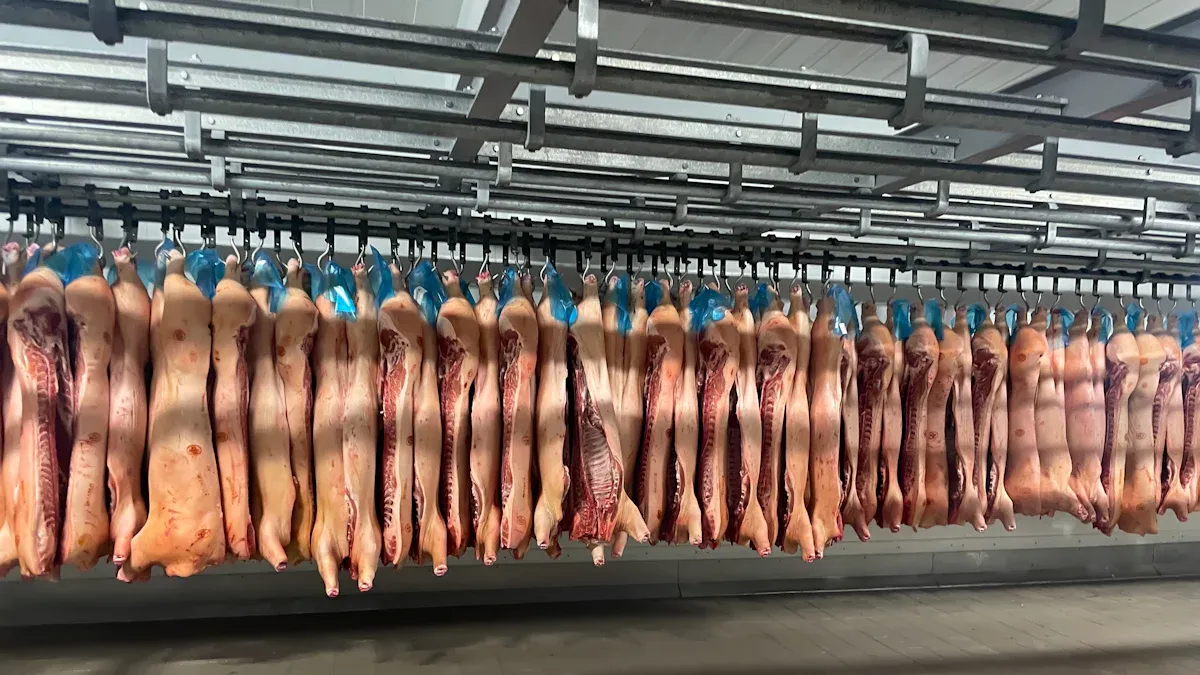
Slaughter cold storage helps keep meat safe from bacteria. Chilling starts right after the animal is processed. The temperature drops quickly to stop spoilage. Bacteria slow down when it gets cold enough. You keep meat safe by following cold chain steps. Cold storage stops spoilage organisms from growing fast. Using the right temperature meets safety rules for chilling. You avoid harmful bacteria that can make people sick.
Note: If meat gets warm, bacteria grow fast. This can cause spoilage and sickness.
Preserves Quality and Freshness
You want your meat to look and taste good. Slaughter cold storage helps keep meat fresh and high quality. Chilling at the right temperature keeps the color bright and the texture firm. Spoilage slows down and freshness lasts longer. Cold storage keeps meat juicy and stops it from drying out. The cold chain moves meat from slaughter to storage without warming up. Keeping the right temperature protects meat quality during chilling.
Here is a simple table that shows how chilling affects meat quality:
Step | Temperature (°F) | Effect on Meat Quality |
|---|---|---|
Immediate Chilling | 32-40 | Best freshness |
Delayed Chilling | Above 40 | Loss of quality |
No Chilling | Above 70 | Spoilage and odor |
You get better results when you use slaughter cold storage and keep the right temperature. You stop spoilage and keep meat fresh for your family.
Reduces Foodborne Risks
Slaughter cold storage lowers the chance of getting sick from meat. Chilling at the right temperature stops harmful bacteria from growing. You follow cold chain rules to keep meat safe from start to finish. Cold storage helps you follow food safety laws. You stop spoilage and protect your family from getting sick. If you skip chilling or let meat get warm, bacteria can grow and spoil the meat.
Tip: Always check the temperature in your cold storage. This keeps meat safe and lowers the risk of sickness.
You see the good things from slaughter cold storage every day. You keep meat fresh, stop spoilage, and protect your family’s health. You follow safety rules and avoid problems from bad storage. You make sure your supper is safe and tastes good.
Best Practices for Cold Storage
Rapid Chilling Steps
Start chilling meat right after slaughter. Quick chilling keeps meat safe and fresh. Move the meat into cold storage right away. Use refrigeration to cool the meat fast. This stops bacteria from growing. Always check that the meat cools the same everywhere. Cold air needs to touch all parts of the meat. If you skip this, meat can spoil and lose quality.
Tip: Put meat in single layers. This helps cold air move around each piece.
Monitoring Temperatures
You need to use temperature monitors to keep meat safe. These tools help you control the cold room. Set alarms to warn you if it gets too warm. Check the temperature often. Write down the numbers in a logbook. This shows you follow safety rules. Monitoring helps you fix problems before spoilage happens. Never guess the temperature. Use tools that show the exact number.
Here is a simple checklist for monitoring:
Check temperature every hour.
Write down each reading.
Calibrate your thermometer often.
Respond to alarms right away.
Proper Storage Procedures
Follow strict rules for storing meat. Keep meat cold at all times. Use good refrigeration equipment. Do not put too much meat in the cold room. Leave space between packages for air to flow. Store different meats apart. This stops cross-contamination. Clean the storage area often. Keeping things clean and tidy keeps meat safe.
Note: Always wear gloves and use clean tools when handling meat in storage.
You keep your family’s supper safe by using these best practices. Good control, monitoring, and using refrigeration right keep your meat safe and fresh.
Real-World Results
Improved Safety Records
You can see the impact of slaughter cold storage in real numbers. When you keep meat cold, you lower the risk of foodborne illness. Many facilities report fewer cases of sickness when they use proper chilling and storage. For example, the USDA found that plants using strict temperature control had 30% fewer safety violations. You help protect your family by choosing meat from places that follow these rules.
You also see better safety records when you use refrigerated transport. This step keeps meat cold as it moves from the plant to the store. If you skip this, bacteria can grow and spoil the meat before it reaches your kitchen. You can trust your supper when you know every step keeps meat safe.
Fact: The CDC says that proper cold storage can cut the risk of meat-related illness by half.
Less Food Waste
You help reduce waste when you store meat at the right temperature. Cold storage keeps meat fresh longer, so you throw away less food. In the past, stores lost up to 20% of their meat because of spoilage. Now, with better chilling and storage, that number drops to less than 5%. You save money and resources when you waste less meat.
Here is a table that shows the difference:
Storage Method | Meat Wasted (%) |
|---|---|
No Cold Storage | 20 |
Basic Cold Storage | 10 |
Modern Cold Storage | 5 |
You make a big difference by following these steps. You keep more meat safe for your family and help the environment by reducing waste. Every time you check the temperature or use proper storage, you support a safer and smarter food system.
You play a key role in keeping your meals safe by choosing meat from facilities that use proper cold storage. Temperature control stops bacteria and keeps meat fresh. These safety steps protect your family at every meal.
Remember: Every time you check your fridge or freezer, you help keep your food safe.
Modern cold storage works well. You can trust that these systems protect your supper and your health.
FAQ
How cold should you keep meat in storage?
You should keep meat at or below 40°F (4°C). This temperature slows bacteria growth and keeps meat fresh.
Tip: Use a thermometer to check your fridge or freezer often.
Why does rapid chilling matter after slaughter?
Rapid chilling stops bacteria from multiplying. You protect meat quality and reduce spoilage.
Move meat into cold storage right away
Make sure cold air reaches all surfaces
What happens if you store meat too warm?
Meat spoils quickly if you store it too warm. Harmful bacteria grow fast and can cause sickness.
Temperature (°F) | Spoilage Risk |
|---|---|
Above 40 | High |
Below 40 | Low |
How do you prevent cross-contamination in cold storage?
You keep different meats separate and use clean tools. You wear gloves and clean the storage area often.
Note: Always leave space between packages for air flow and safety.
See Also
Exploring Cold Rooms for Safe Meat Preservation
Steps to Create a Functional Cold Room for Slaughter
The Role of Cold Rooms in Food Safety